Traditional Icelandic Holiday Food: What Icelanders Eat During the Festive Season
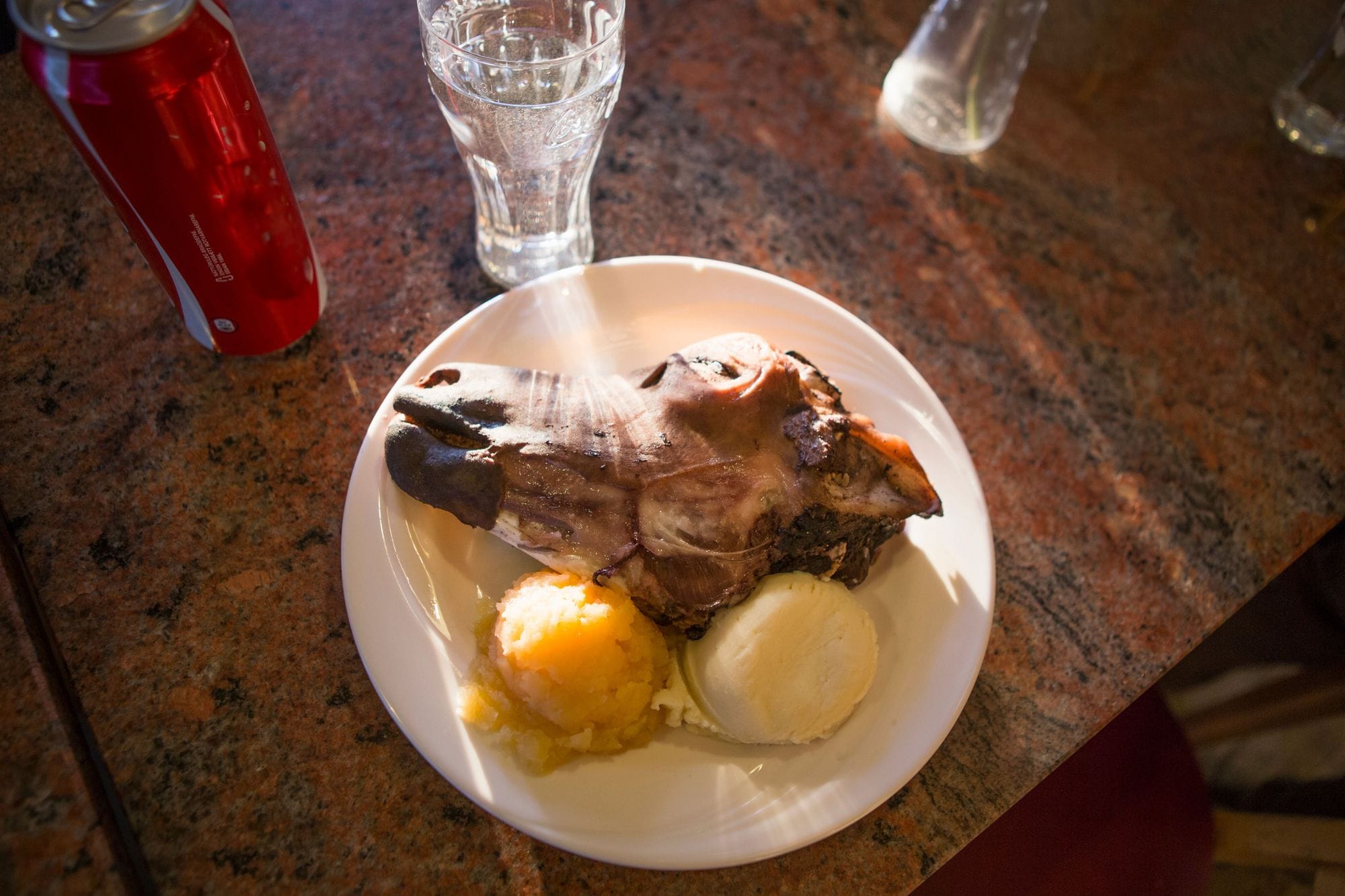
Holidays in Iceland are closely tied to food — not in an elaborate or extravagant way, but in a deeply familiar one.
What we eat
Certain dishes appear only once a year. Some are eagerly awaited, others are more… divisive. But together, they form an important part of Icelandic holiday traditions, rooted in history, seasonality, and making the most of what was available.
Here’s a look at the traditional foods you’ll encounter in Iceland during the holidays — and what they mean.
Þorrablót: Preserved Foods and Old Traditions
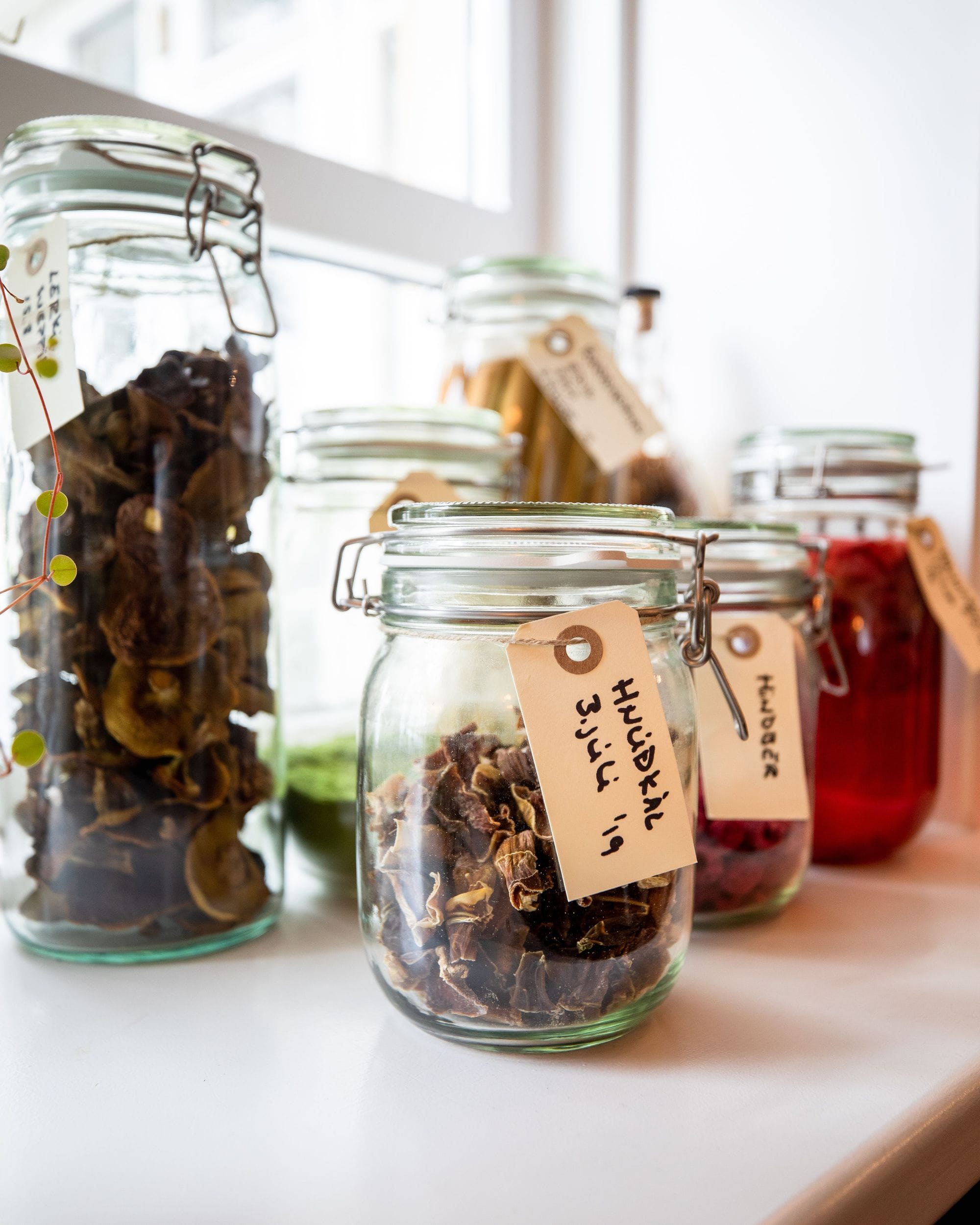
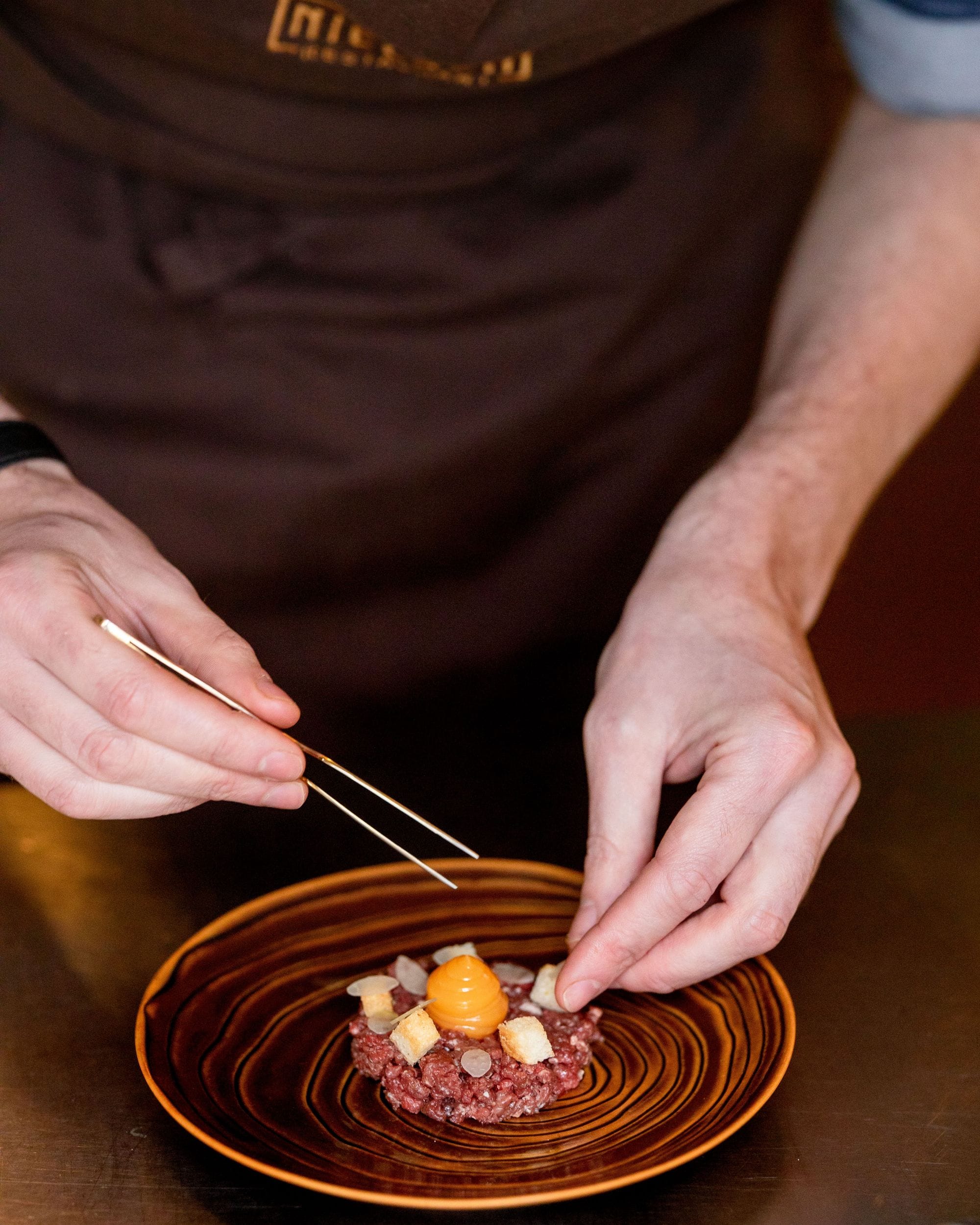
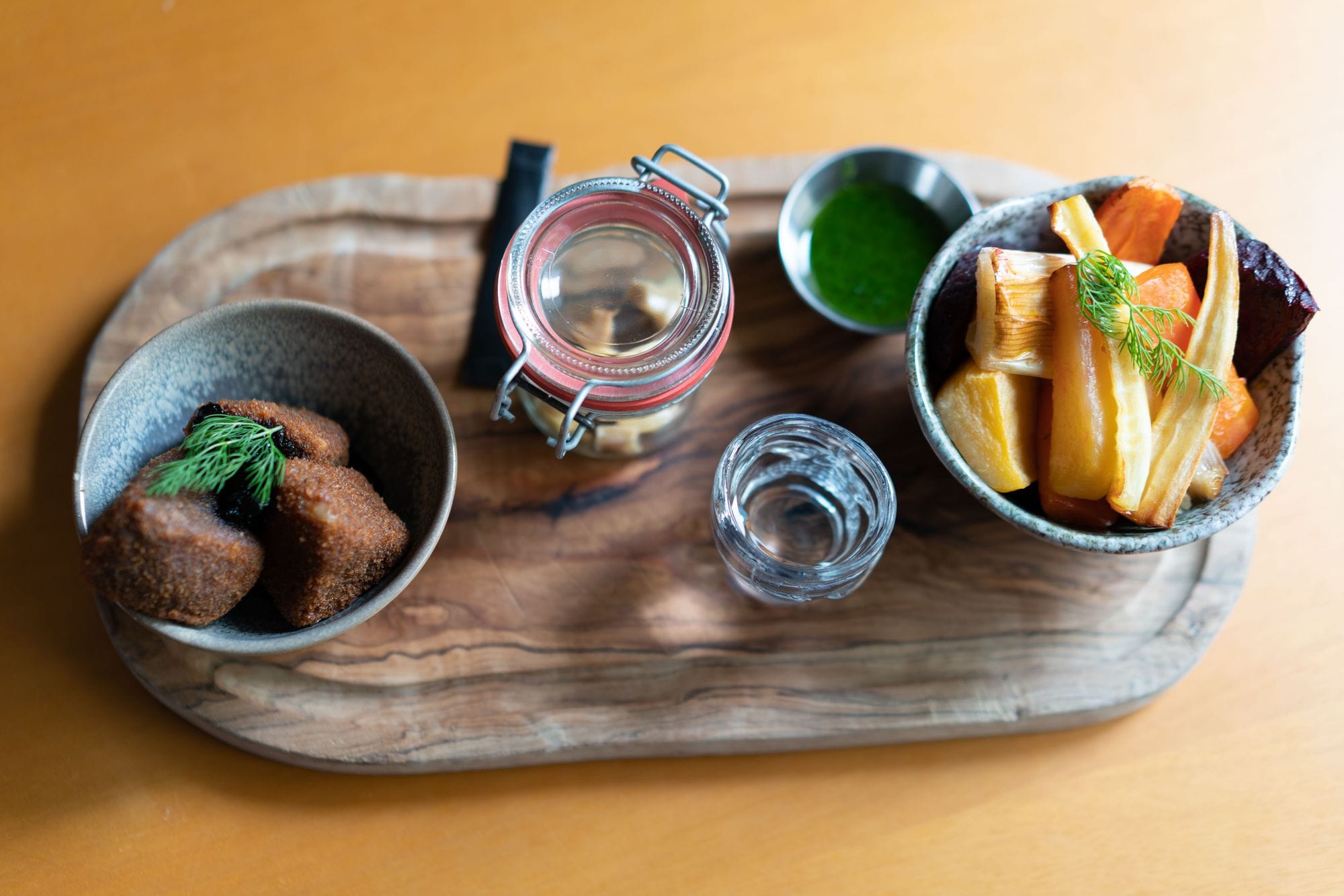
Þorrablót takes place in midwinter, usually in January or February, and is centred around traditional preserved foods from earlier centuries.
Common dishes include:
- fermented shark (hákarl)
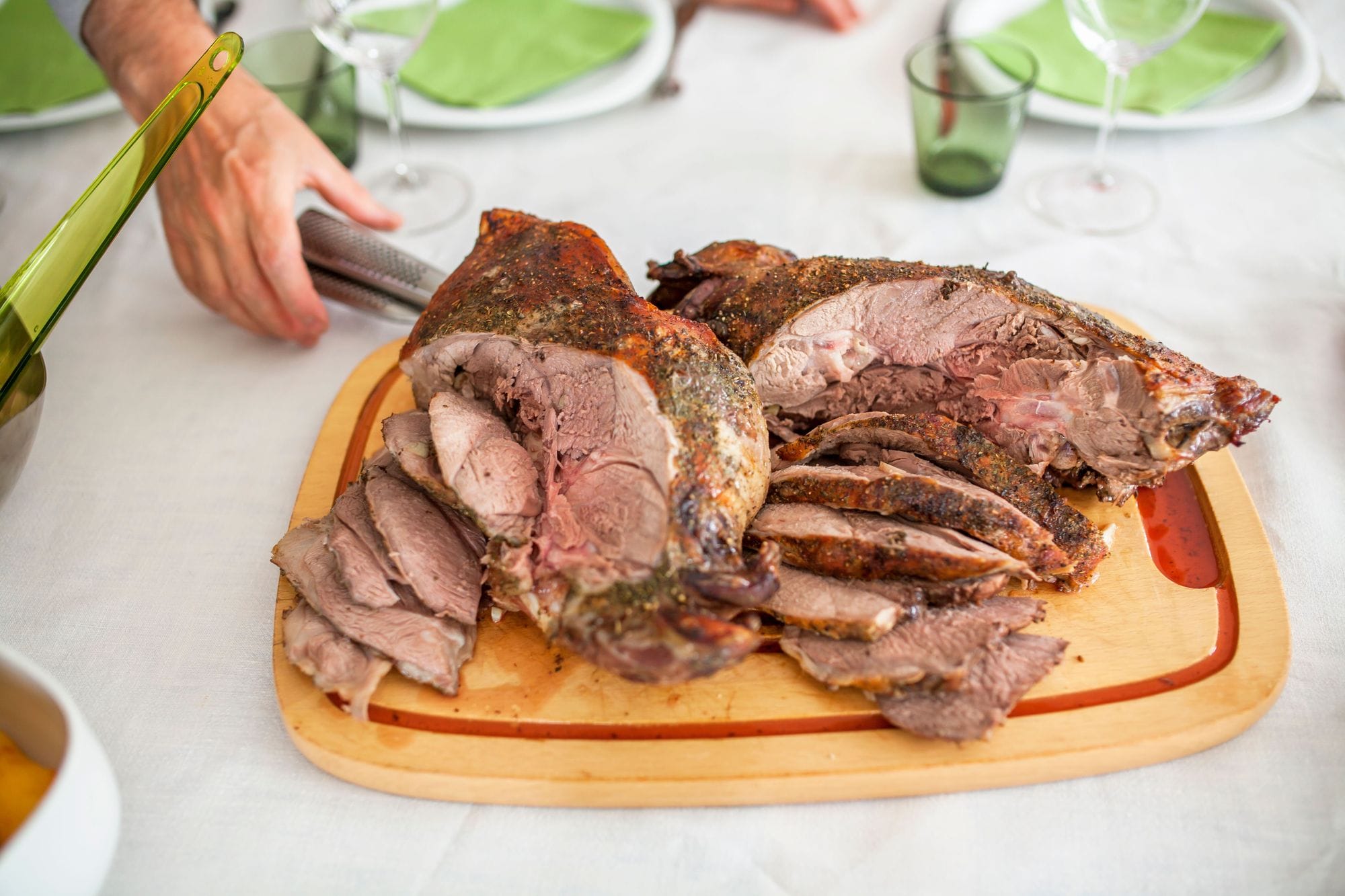
- cured lamb (hangikjöt)
- head cheese (sviðasulta)
- blood pudding and liver sausage
- dried fish (harðfiskur)
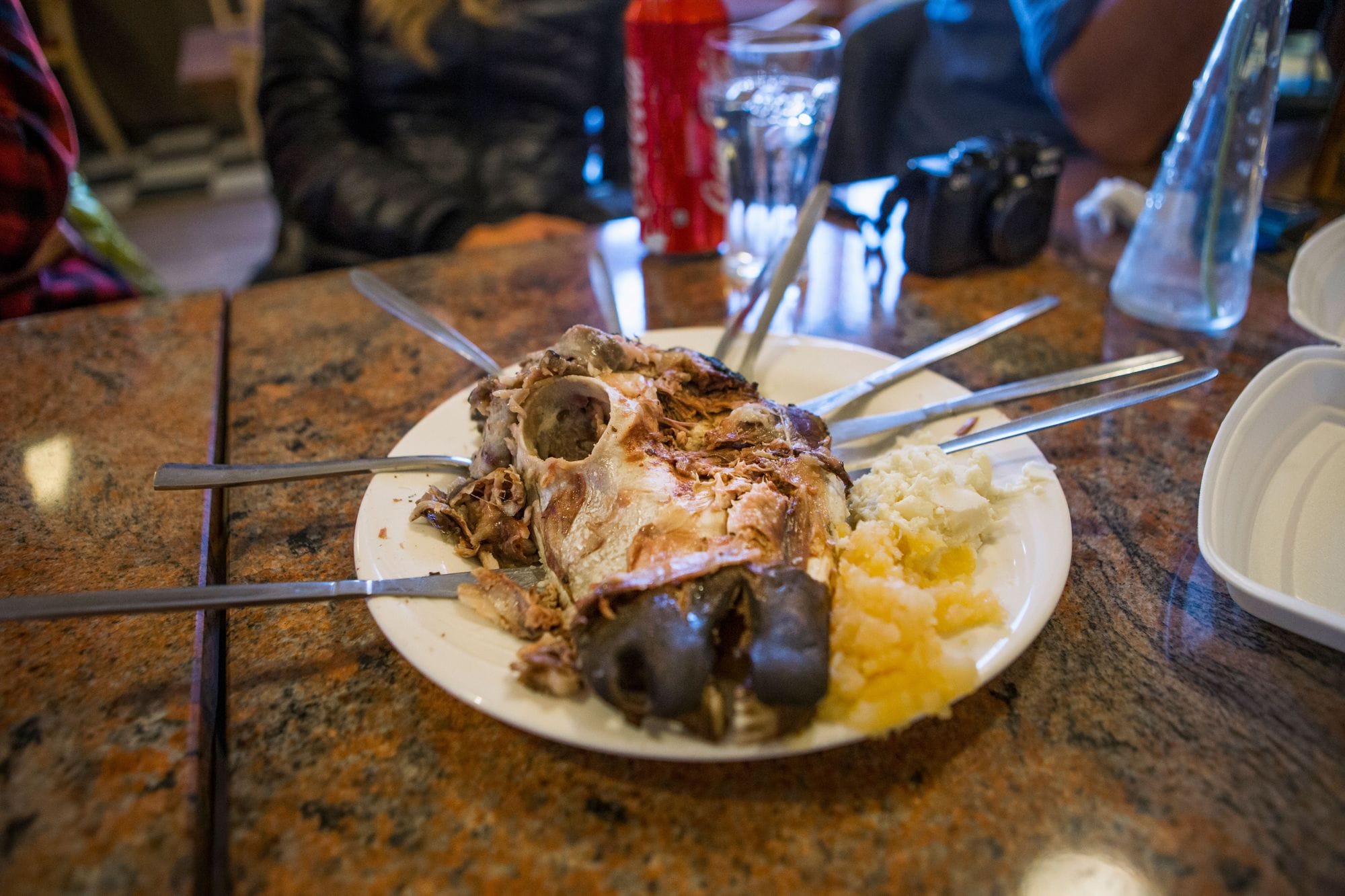
These foods reflect a time when preservation was essential for survival. Today, not everyone eats them regularly, but they are still served at Þorrablót gatherings as a way to honour tradition.
Christmas in Iceland: Comfort, Ritual, and Familiar Flavours
Christmas is the most important food holiday in Iceland.
Traditional Christmas dishes often include:
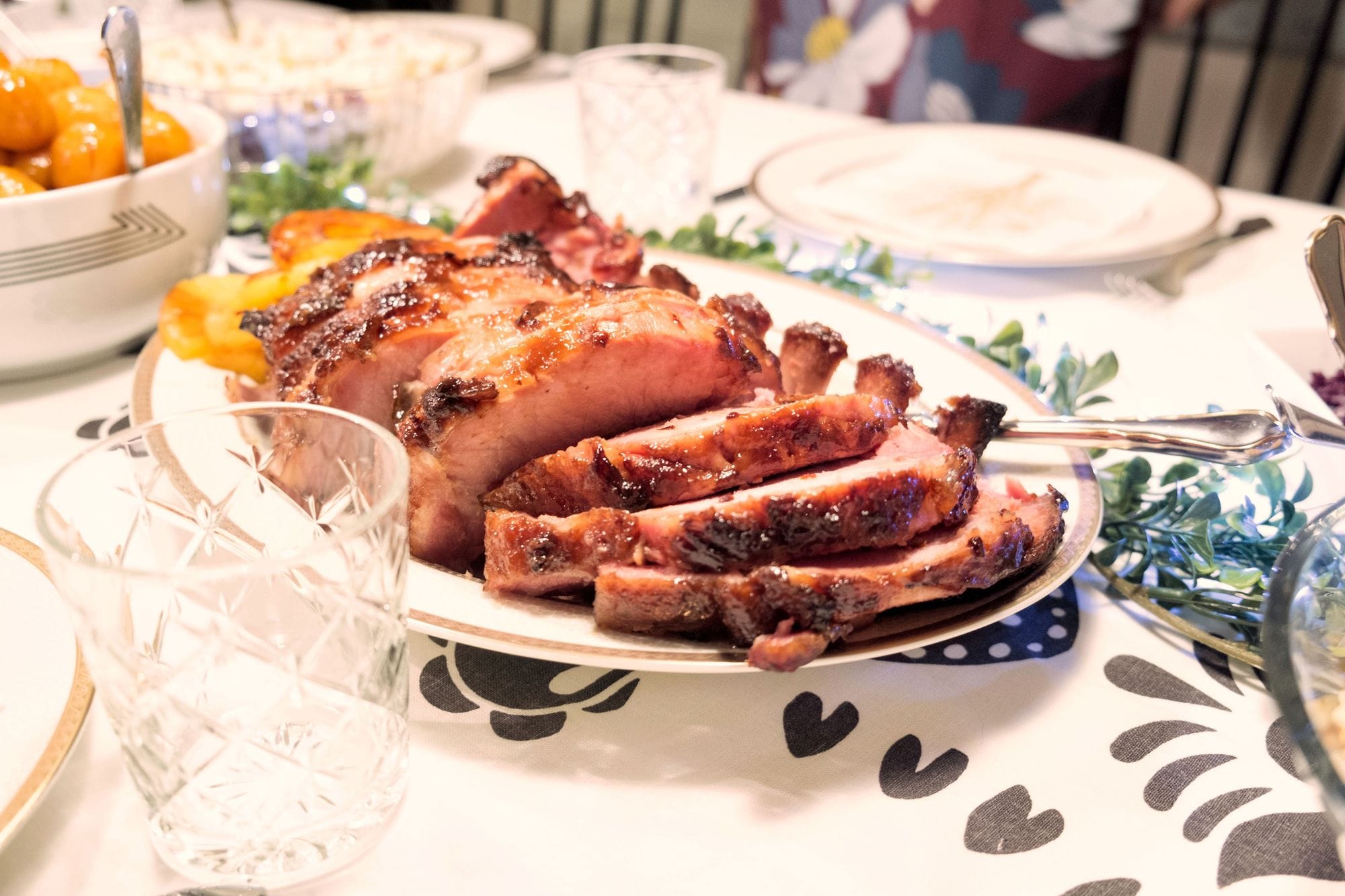
- smoked lamb (hangikjöt) with potatoes, white sauce, and green peas
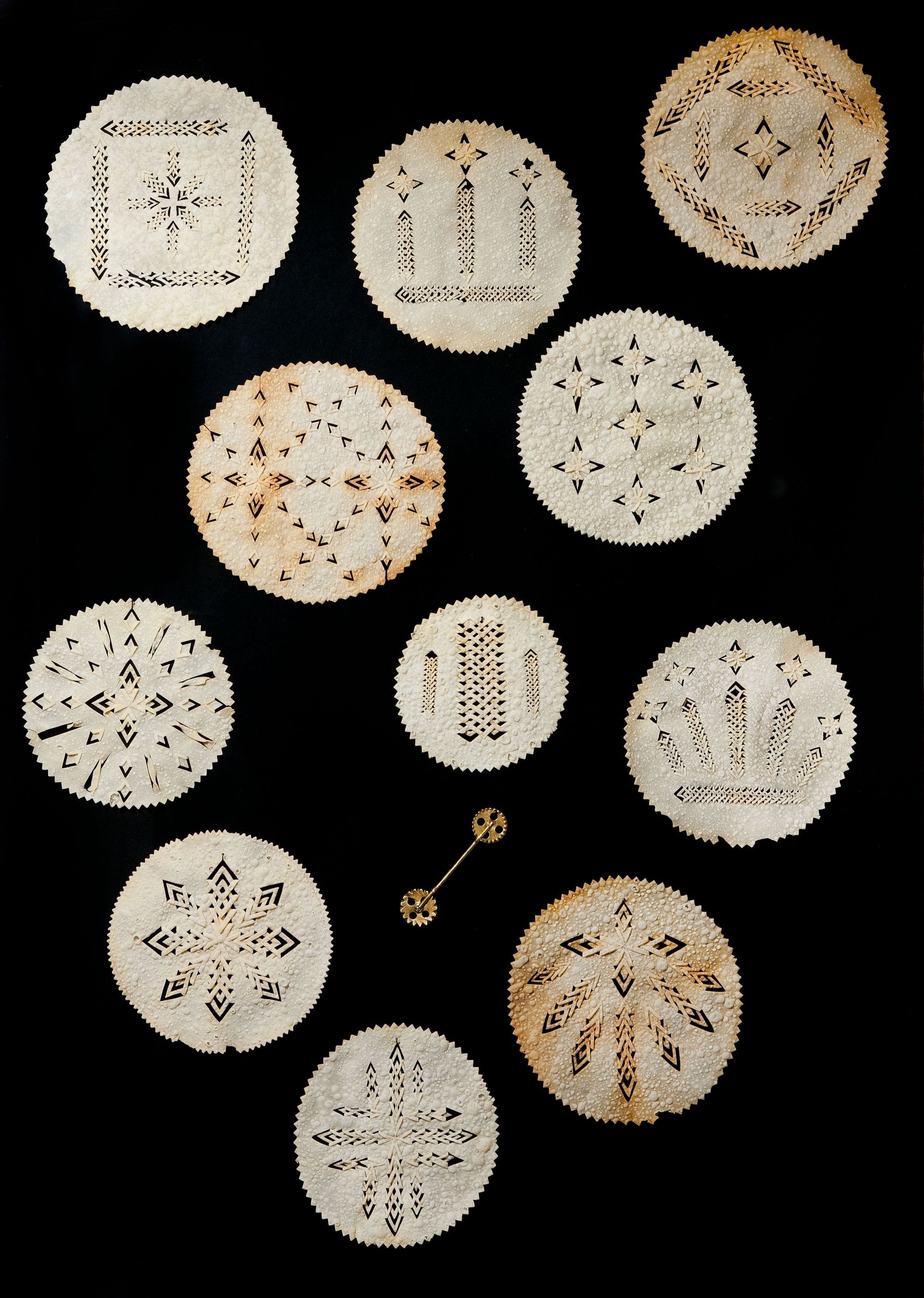
- leaf bread (laufabrauð) — thin, fried flatbread decorated by hand
- rice pudding or rice dessert with a hidden almond
- homemade Christmas cookies
Christmas food is about repetition and ritual. Many families prepare the same dishes every year, not because they have to — but because it wouldn’t feel like Christmas without them.
New Year’s Eve: Festive, but Less Formal
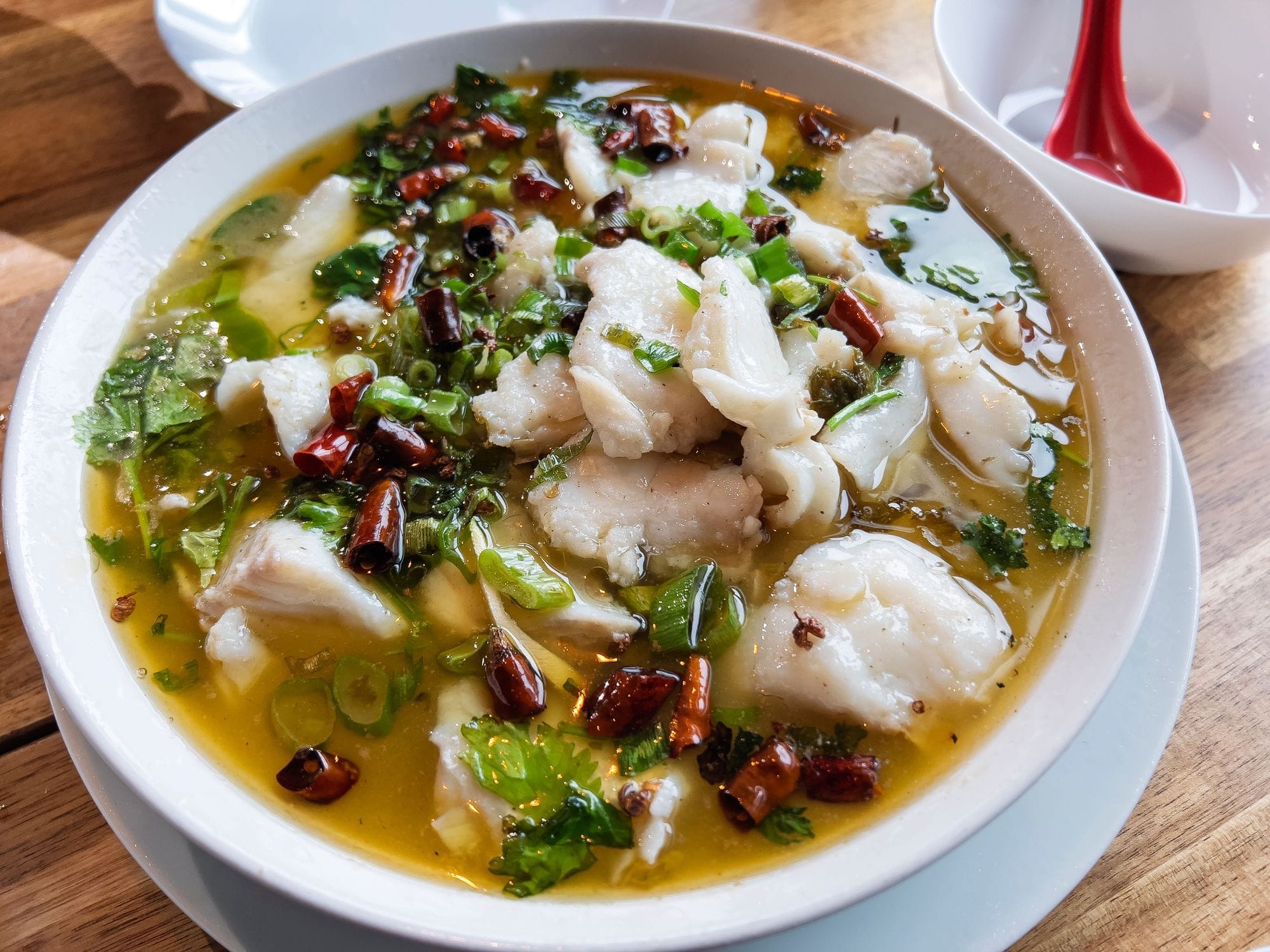
New Year’s Eve meals tend to be more flexible.
- steak, fish, or vegetarian main courses
- festive desserts
- chocolates and holiday treats later in the evening
The focus is less on tradition and more on celebration, gatherings, and marking the end of the year.

Easter: Seasonal, Lighter, and Often Lamb-Based
Easter meals in Iceland often reflect the shift toward spring.
- lamb dishes
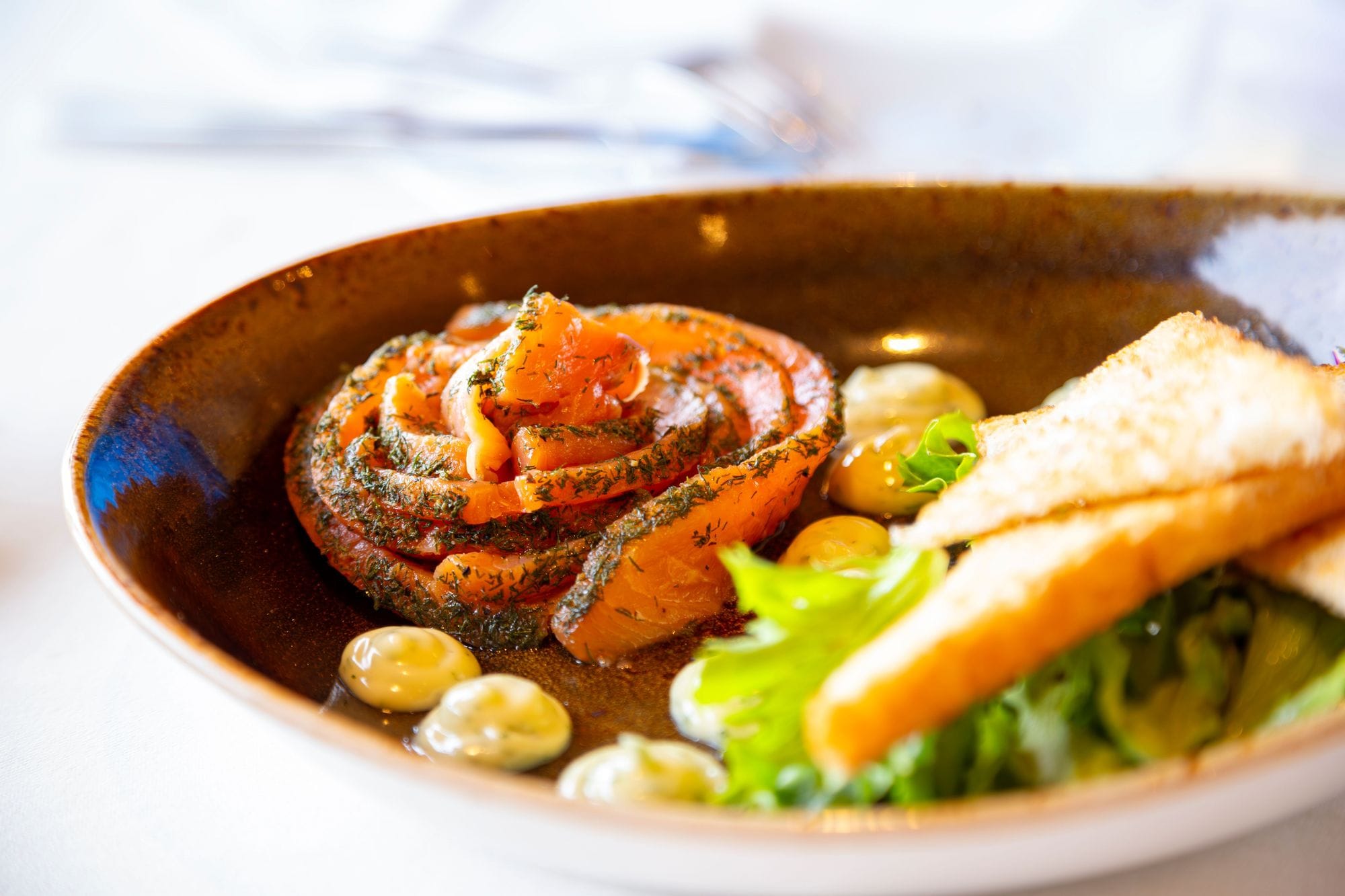
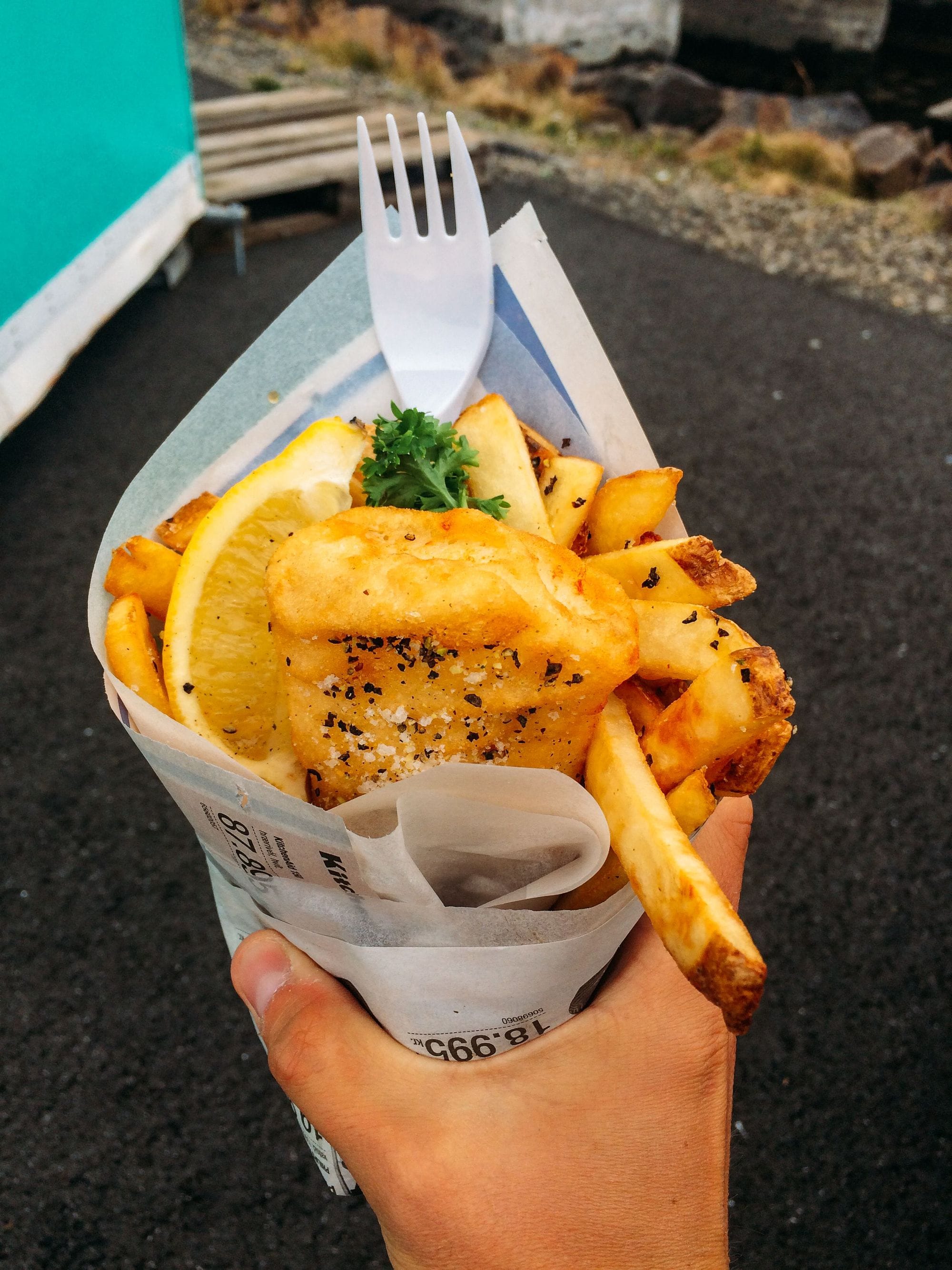
- fish-based meals
- lighter, simpler recipes
Unlike Christmas, Easter food traditions are less fixed, allowing families to adapt and experiment while still keeping seasonal ingredients at the centre.
Why Holiday Food Matters in Iceland
Traditional holiday food in Iceland isn’t about fine dining or presentation.
It’s about:
- shared memories
- seasonal rhythms
- maintaining a connection between generations
Many of these dishes are eaten only once a year — which is exactly why they matter.
Are Icelandic Food Traditions Changing?
Yes — and that’s part of the story.
Some families stick closely to traditional recipes. Others adapt them to modern tastes, dietary preferences, or simpler preparation. Vegetarian and plant-based versions are increasingly common.
But even as recipes change, the idea of holiday food as a shared ritual remains strong.
Respecting Food as Culture, Not a Curiosity
At Key to Iceland, we see food as part of cultural understanding — not a novelty challenge.
Trying traditional dishes can be a meaningful way to connect with Icelandic history and daily life, as long as it’s approached with curiosity and respect.
FQA About Icelandic Holiday Food
What is traditional Icelandic Christmas food?
Smoked lamb (hangikjöt), leaf bread, rice pudding, and homemade cookies are common Christmas dishes.
What is Þorramatur?
Þorramatur features preserved foods such as fermented shark, cured meats, dried fish, and traditional sausages.
Do all Icelanders eat traditional holiday food?
Not everyone, but most people are familiar with these dishes, even if they don’t eat all of them.
Is Icelandic holiday food very unusual?
Some dishes are unfamiliar to visitors, but they are rooted in history and practicality rather than shock value.
Thank you for reading this page. We hope it was informative, If not please let us know through [email protected]