Best Time to Visit Iceland for the Northern Lights
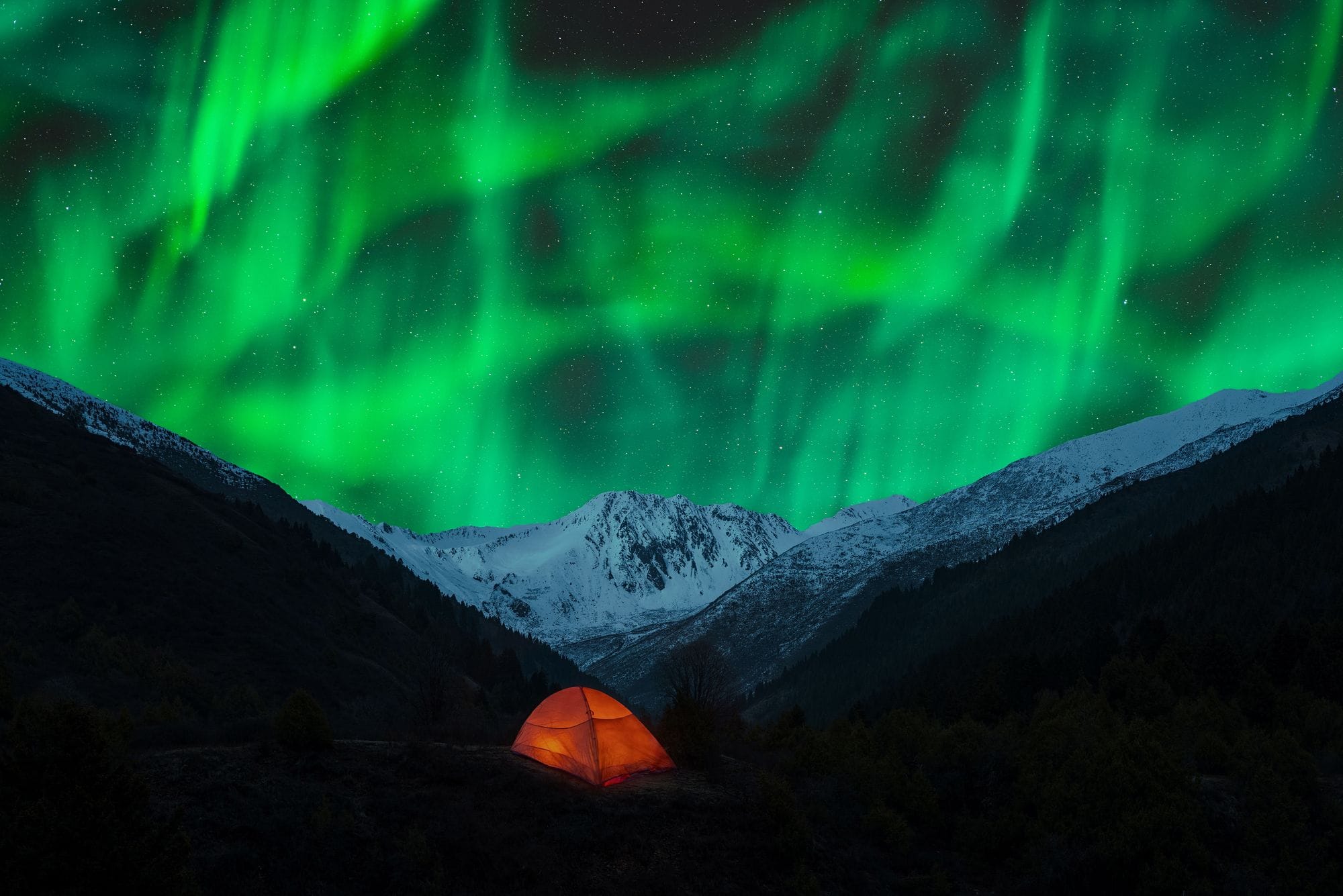
Finding the moment when Iceland’s sky comes alive.
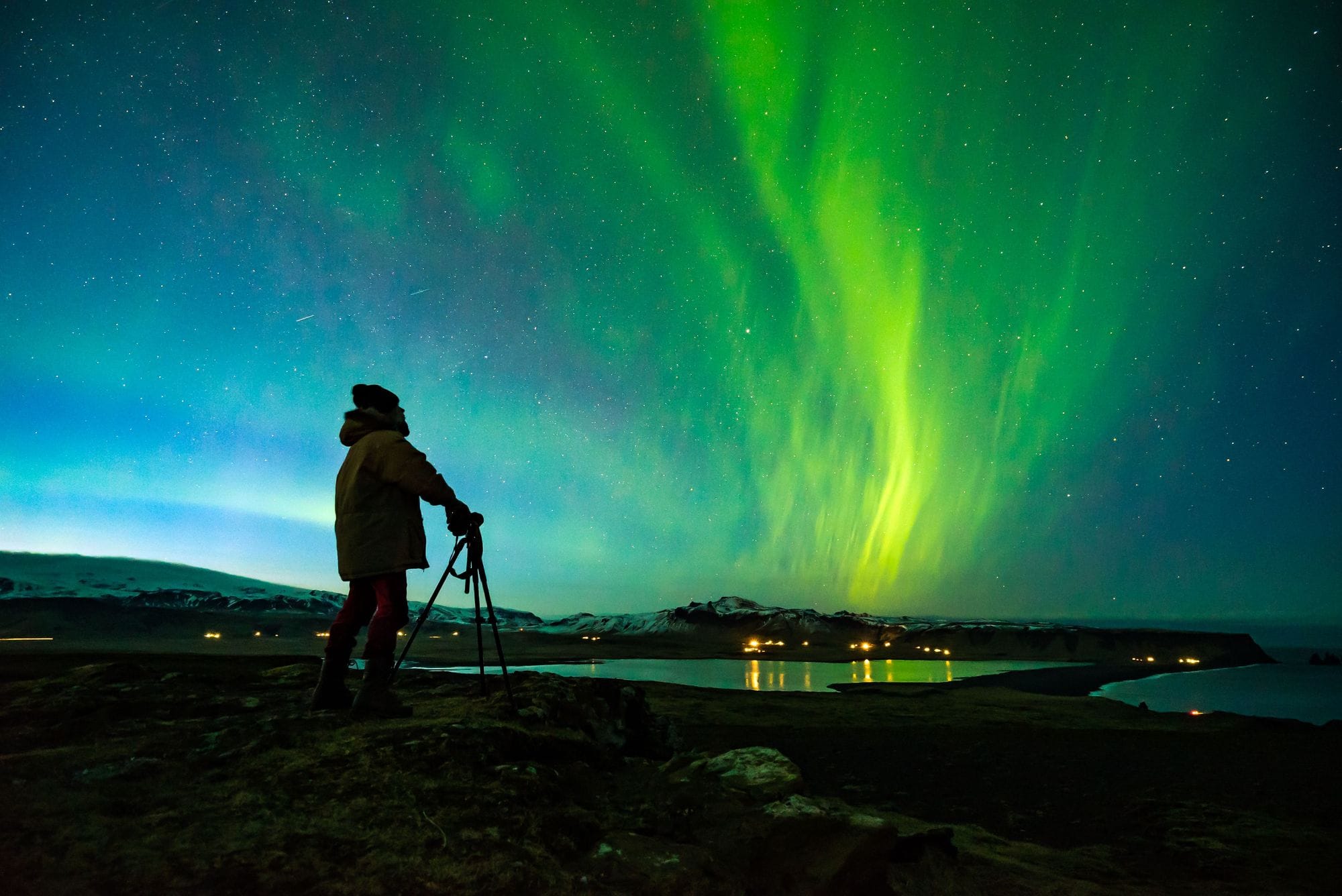
The Northern Lights — or Aurora Borealis — are one of Iceland’s most extraordinary natural wonders. But catching them isn’t about luck alone. It’s about timing, darkness, weather, and choosing the right place to stay.
Best Time to Visit Iceland for the Northern Lights
Finding the moment when Iceland’s sky comes alive.
The Northern Lights, or Aurora Borealis, are one of Iceland’s most extraordinary natural wonders. But catching them isn’t about luck alone. It’s about timing, darkness, weather, and choosing the right place to stay.
Here’s your guide to the best months, conditions, and regions for Northern Lights viewing — written to help you plan your journey with confidence and local insight.
Looking to stay somewhere with great aurora-viewing potential? Explore over 300 hotels across the country:
Find Hotels Across Iceland with Key to Iceland.
When Should You Book?
Northern Lights travel is extremely popular from September–March, especially around:
- Christmas
- New Year’s
- February winter breaks
- Easter
Booking early ensures:
Better hotel availability
Lower prices
Improved flexibility for your itinerary
Search and compare all Icelandic hotels:
Search Hotels in Iceland
The Aurora Season: September to April
The Northern Lights are visible in Iceland from late August until mid-April, but the best period — the core Northern Lights season — is:
September through April
These months bring the long, dark nights needed for the aurora to shine.
You’ll get:
- Fully dark skies
- Strong solar activity
- Crisp, clear nights ideal for viewing
- High chances across north, south, east, and west Iceland
If the sky is dark and clear, the aurora can appear anywhere, including above Reykjavík.
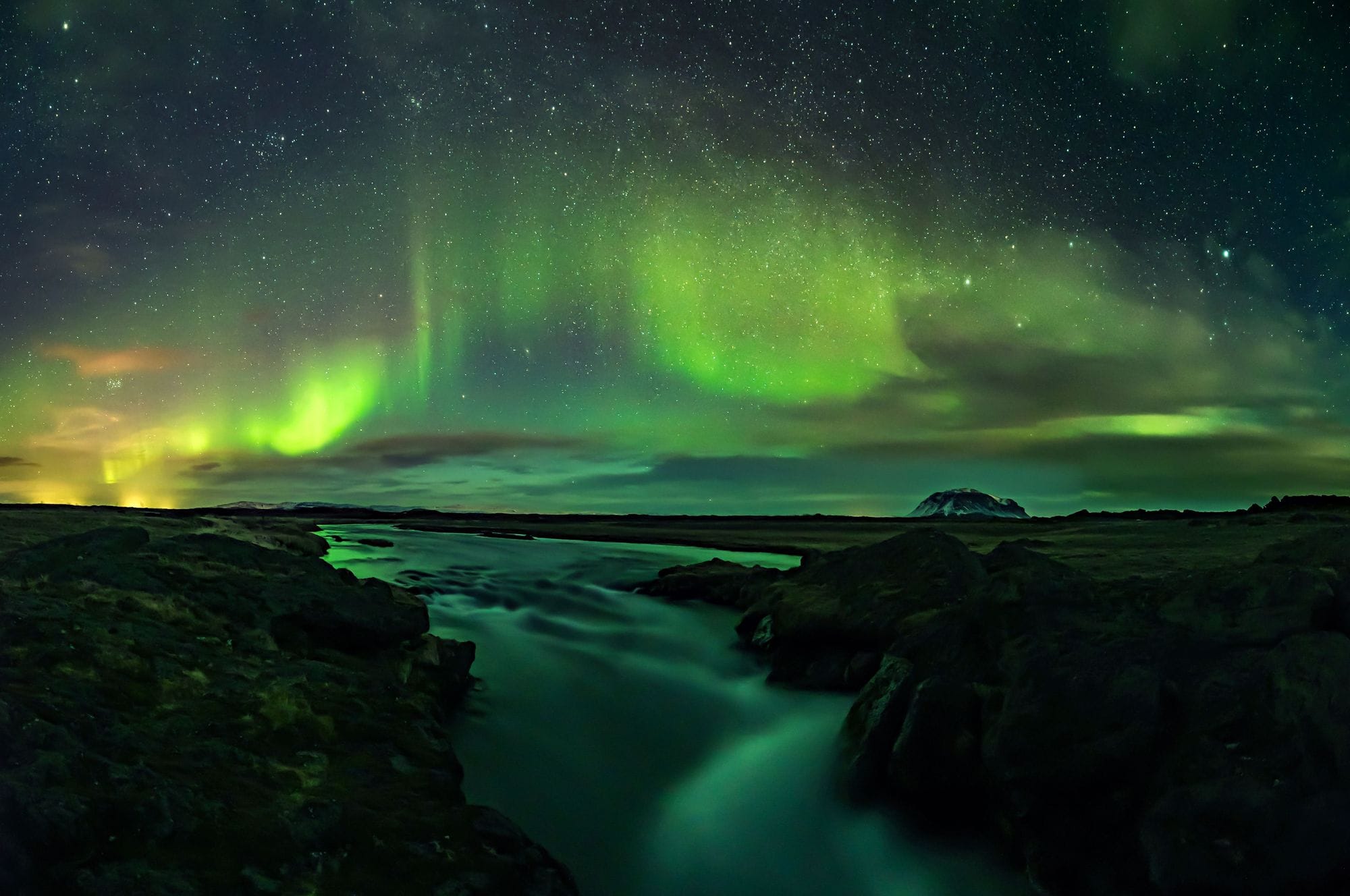
September & October: Early Season Magic
Autumn is a beautiful time to chase the Northern Lights, with mild temperatures and stunning golden landscapes.
Why locals love autumn auroras:
- Comfortable travel conditions
- Long, dark nights but not extreme cold
- Northern Lights often appear earlier in the evening
- Fewer travelers than in winter
It’s a perfect time for guests who want a balance of Northern Lights + outdoor activities.
Explore hotels in some of the best aurora-viewing regions:
South Iceland Stays
North Iceland Stays
March & Early April: Clear Nights + Comfortable Days
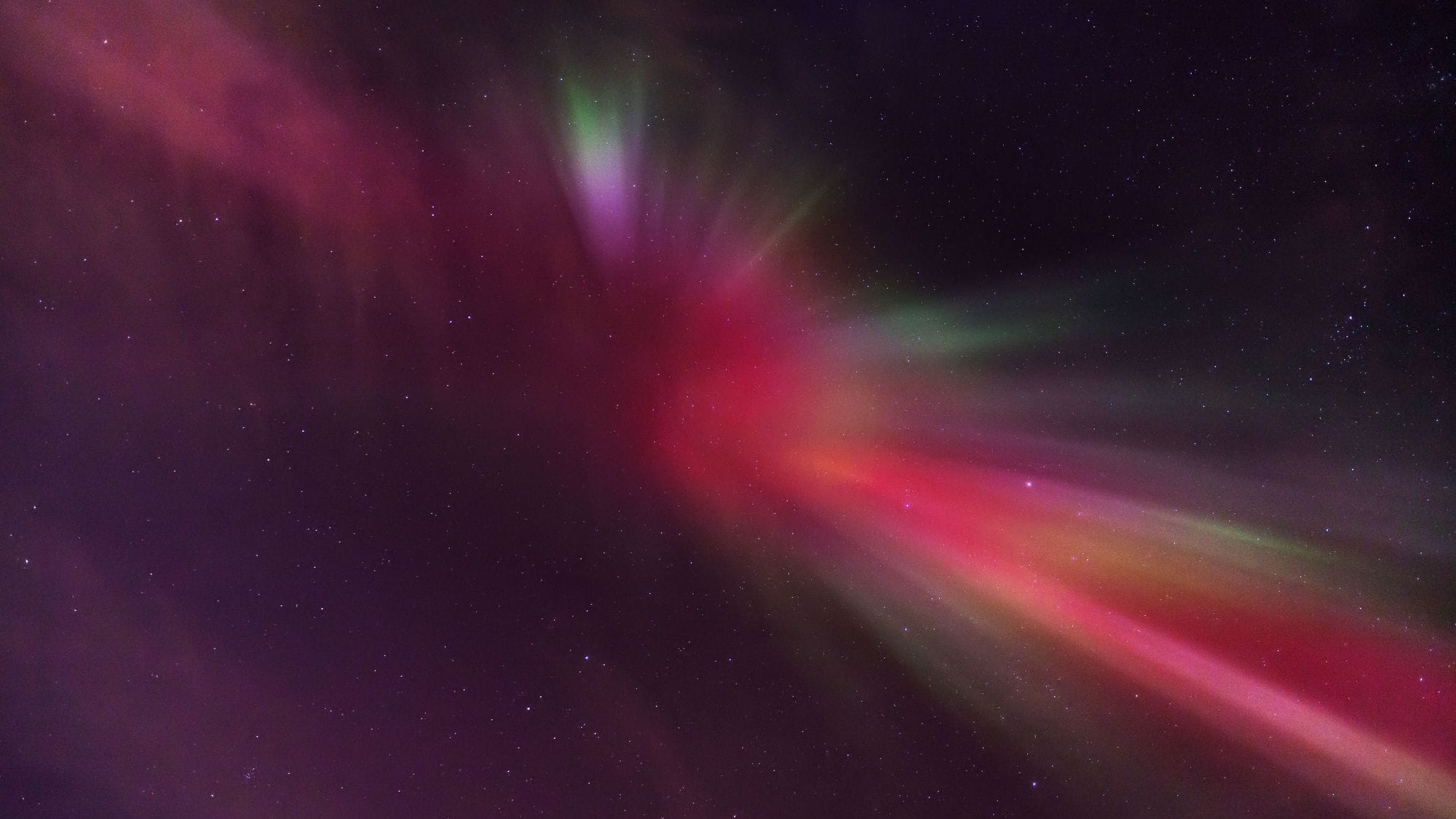
Spring aurora season offers the best of both worlds:
Longer days, more sunlight, and still plenty of darkness for Northern Lights.
Why spring is underrated:
- Weather begins to stabilize
- Clear, crisp nights
- Great for photography
- Easier driving conditions than mid-winter
- Northern Lights remain active
It’s a season for travelers who want adventure by day and auroras by night.
Best Conditions for Seeing the Aurora
You’ll increase your chances dramatically if you plan around:
1. Darkness
The aurora cannot be seen during summer due to constant daylight.
2. Clear Skies
Clouds block visibility — rural areas often have better sky clarity.
3. Low Light Pollution
Best regions include:
- South Coast
- Snæfellsnes Peninsula
- Westfjords
- North Icelandv
- Rural areas near national parks
4. Solar Activity
Higher geomagnetic activity (KP index) = stronger shows.
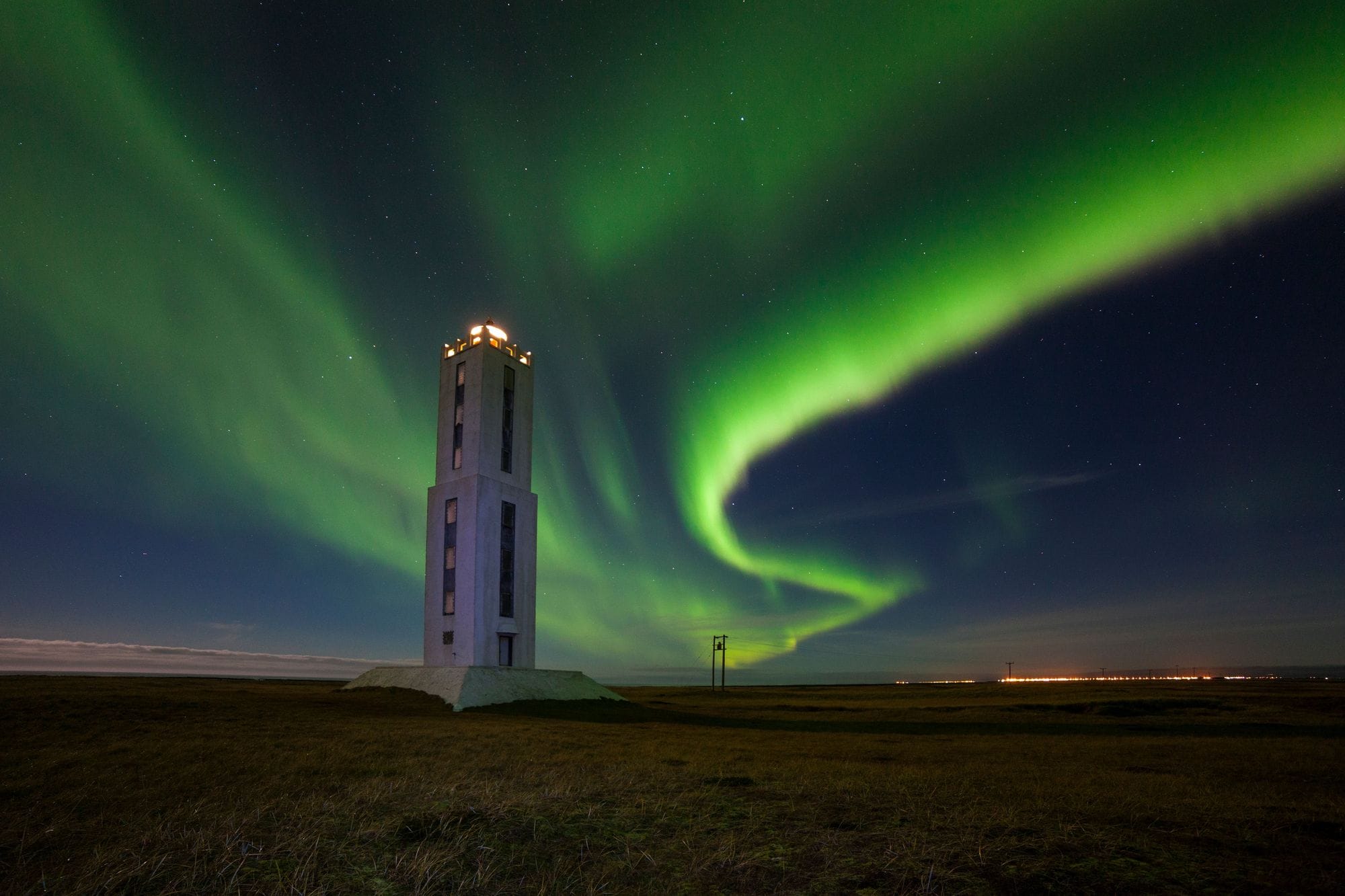
November to February: Highest Aurora Visibility
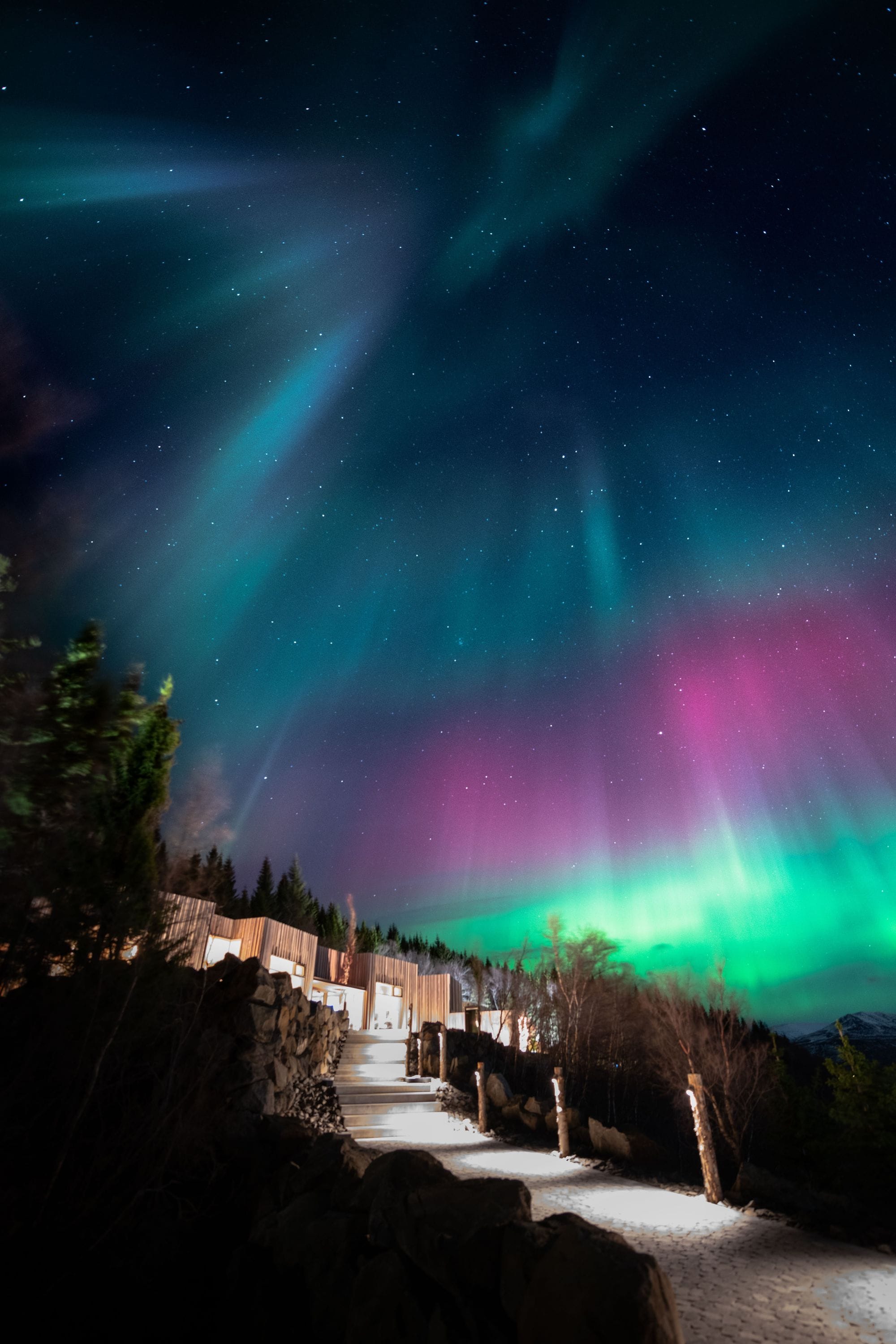
These are the prime Northern Lights months in Iceland.
During winter, Iceland experiences its longest nights — giving you the most hours of darkness and the greatest aurora visibility window.
Winter aurora highlights:
- Highest chances to see the lights
- Snowy landscapes under a glowing sky
- Ice caves + Northern Lights combo tours
- Budget-friendly hotel rates outside holiday peaks
- Magical winter calm across the countryside
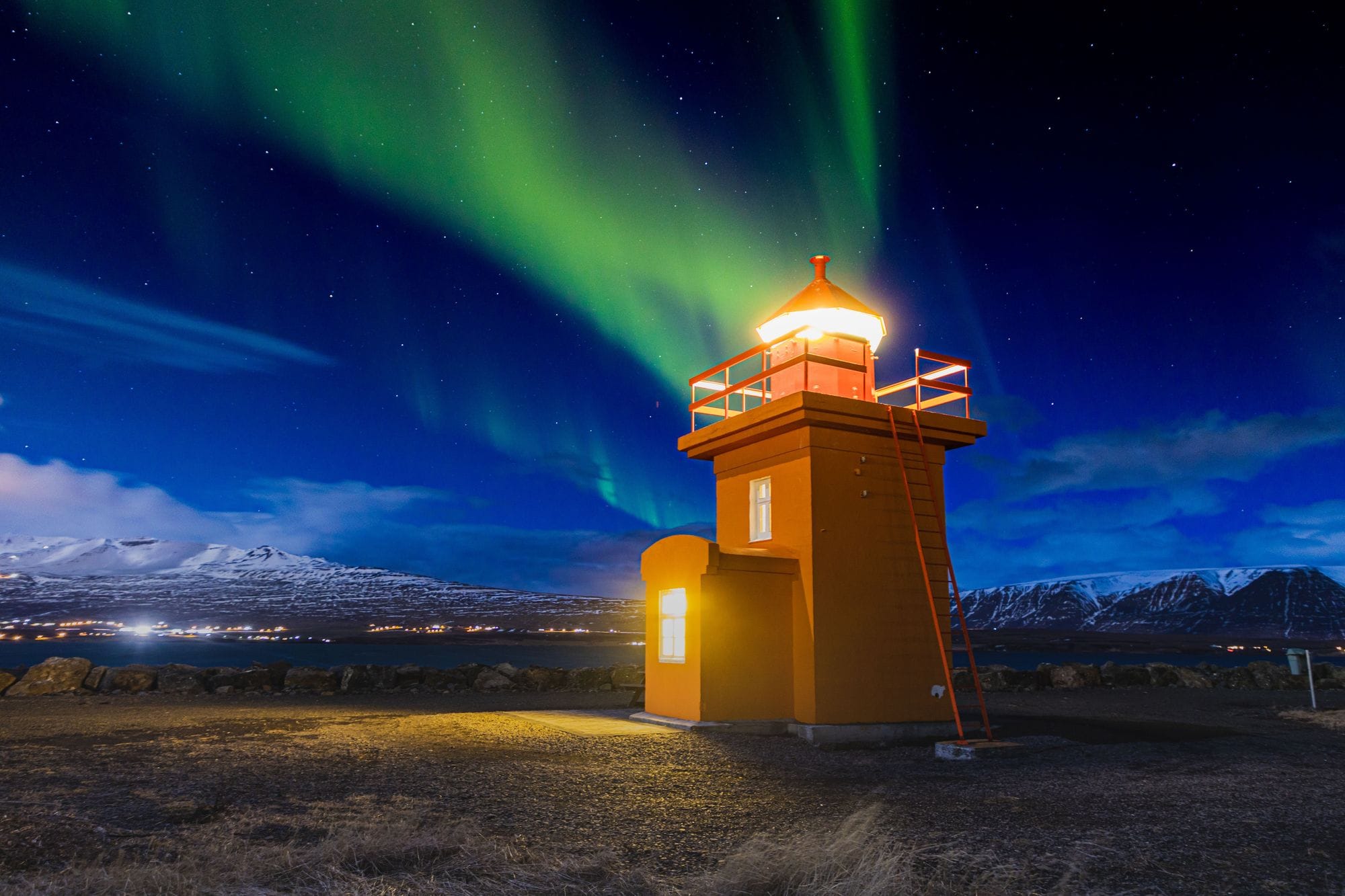
You’ll find excellent stays in regions known for dark skies:
West Iceland
East Iceland
Where Should You Stay for the Northern Lights?
Choosing the right hotel can make all the difference — especially in areas where the aurora can appear right outside your room.
Key to Iceland works with over 300 hotels across low-light, high-visibility regions. Many hotels offer:
- Northern Lights wake-up calls
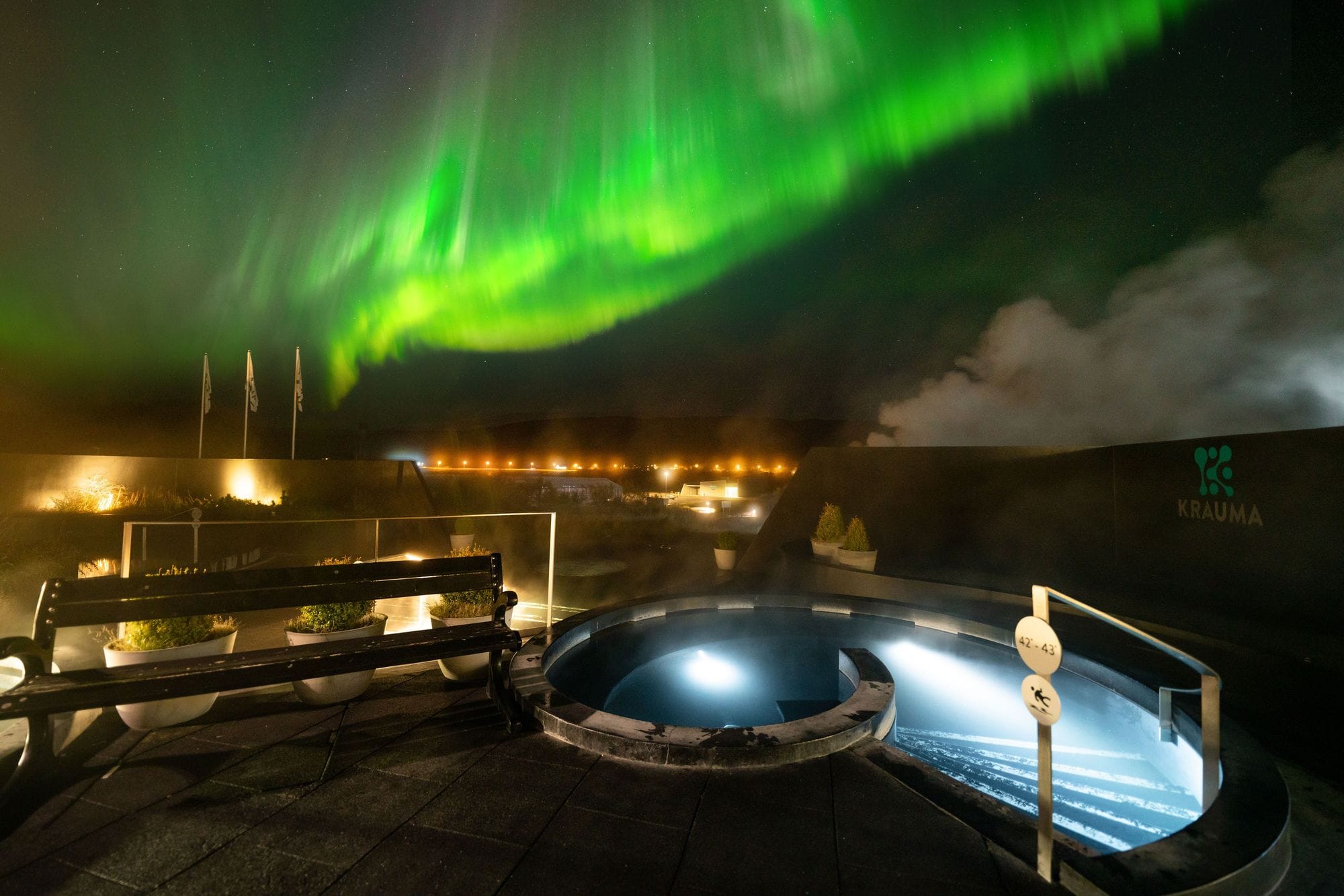
- Glass-roof rooms or viewing decks
- Hot tubs facing the night sky
- Rural locations far from city lighting
See Iceland at Its Most Magical
No matter when you come, the Northern Lights are never guaranteed — but planning your visit during Iceland’s aurora season, choosing the right region, and staying in locally trusted hotels gives you the best chance for an unforgettable night sky.
Ready to start planning?
Find Your Perfect Stay in Iceland
Thank you for reading this page. We hope it was informative, If not please let us know through [email protected]