Bathing in Iceland - A Living Tradition of Water, Warmth & Community
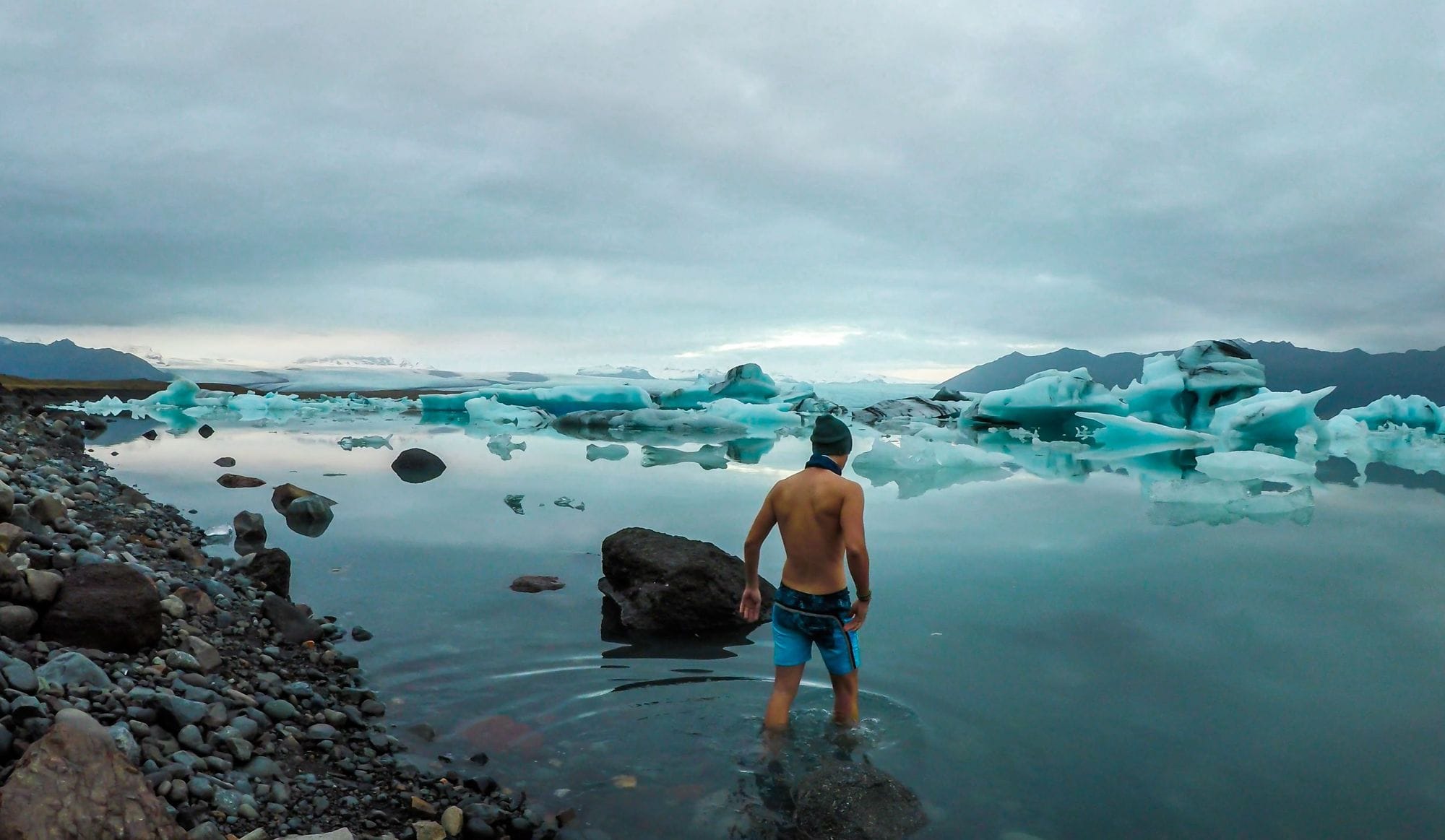
This guide brings together everything you need to know before you step into the water — whether it’s warm, cold, or somewhere in between. Icelandic public pool culture has been recognized by UNESCO as part of the Intangible Cultural Heritage of Humanity, a rare acknowledgment of how bathing connects communities across the island.
Icelandic bathing culture recognized by UNESCO
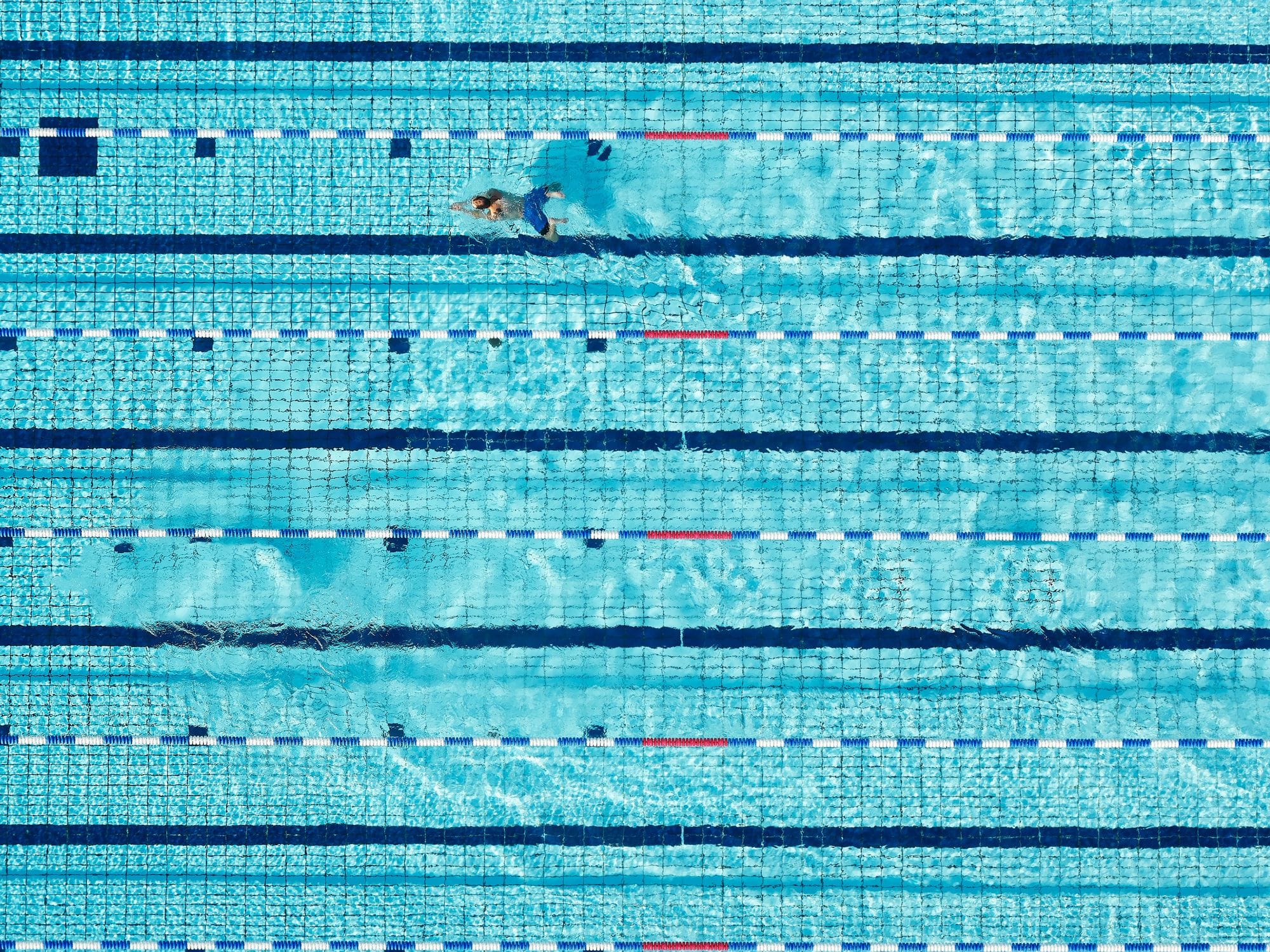
In Iceland, swimming pools aren’t just places to exercise — they’re cultural landmarks. So deeply rooted is this practice that Icelandic public pool culture has been recognized by UNESCO as part of the Intangible Cultural Heritage of Humanity, a rare acknowledgment of how bathing connects communities across the island.
For generations, pools have been places where people come together: to unwind after work, chat with friends, welcome visitors into everyday life, and bridge the gap between routine and nature. It’s common to see people of all ages sharing warm water, conversation, and quiet moments beneath Iceland’s vast skies.
Bathing in Iceland is more than relaxation — it’s a way of life.
Bathing as a Social Ritual
If you want to understand what’s really happening in Iceland, you don’t need to turn on the news — you just need to step into a hot pot.
This idea is beautifully explored in The Hot Tub (2016), a documentary by Icelandic filmmaker Harpa Fönn Sigurjónsdóttir, which follows locals who meet regularly at a neighborhood pool to talk, reflect, and connect. The film highlights what Icelanders know instinctively: the hot tub is a social space. A place where conversations flow, community forms, and the pace of life slows — all in water heated by the land itself.
Public swimming pools are part of every Icelandic town and neighbourhood. Powered by geothermal energy, they heat our homes, our water, and our daily routines. In recent years, this everyday tradition has expanded into a wide range of bathing experiences — from modern lagoons to remote natural hot springs — offering visitors many ways to experience Iceland through water.
This guide brings together everything you need to know before you step into the water — whether it’s warm, cold, or somewhere in between.
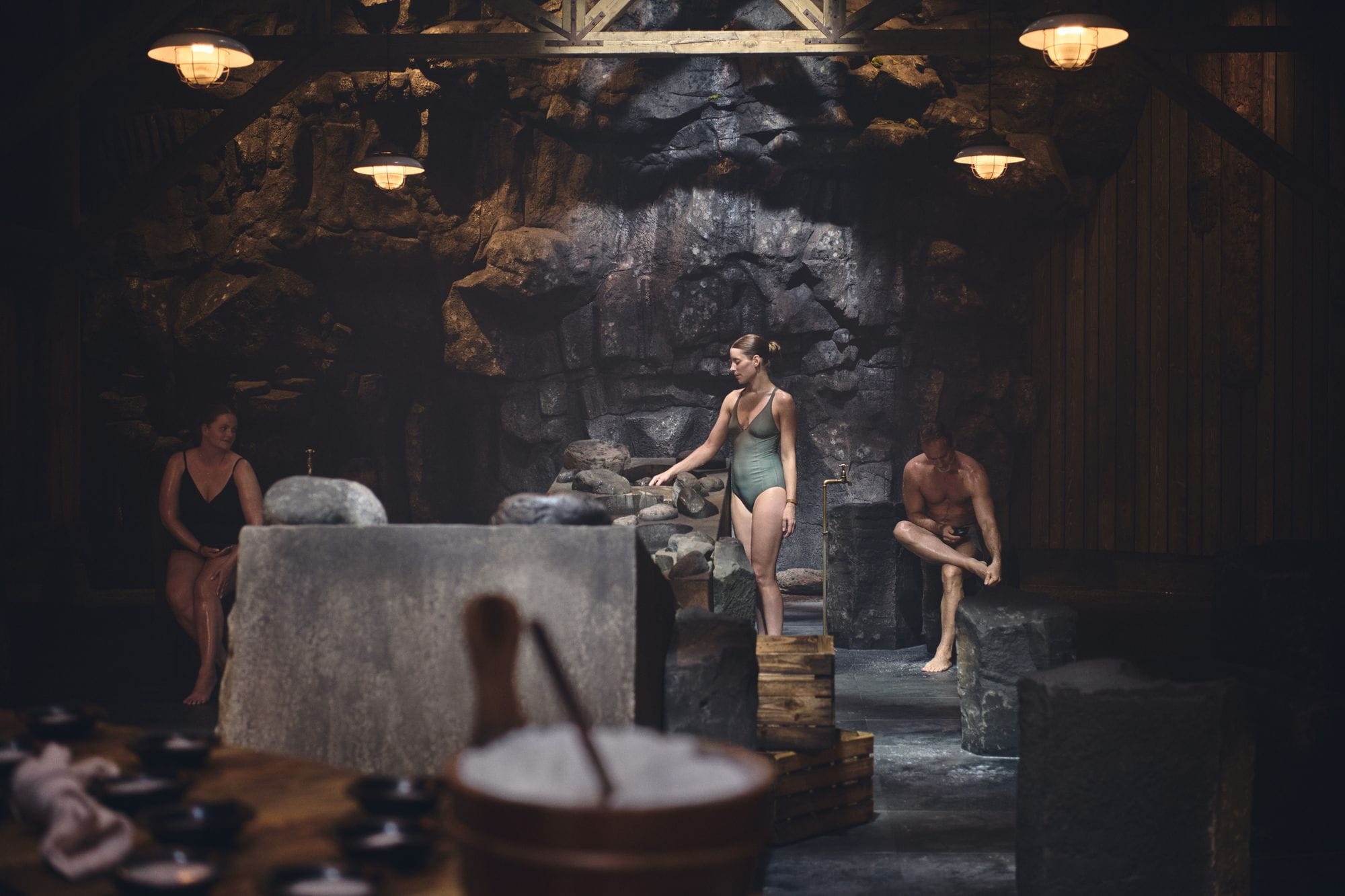
Geothermal Lagoons & Bathing Experiences
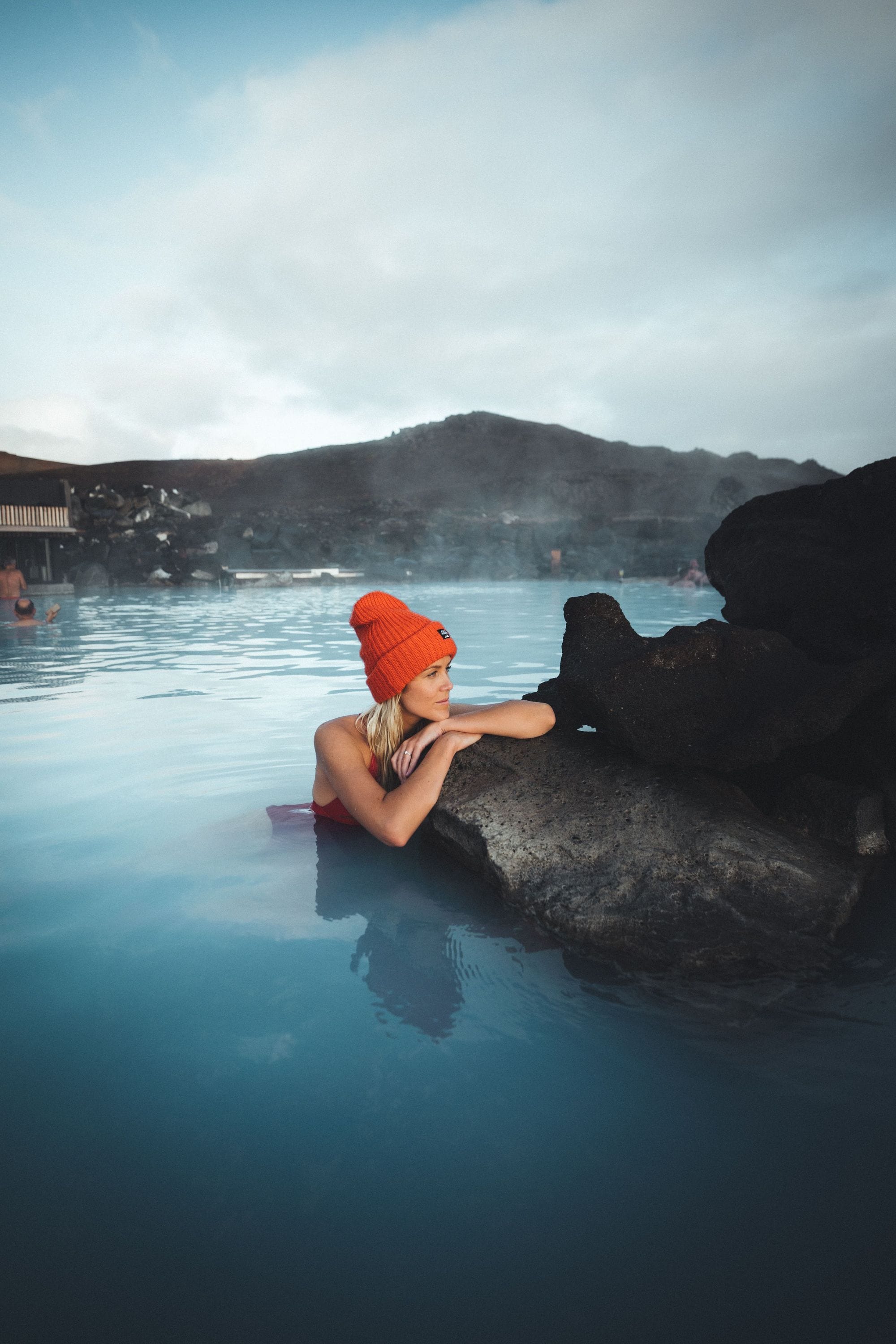
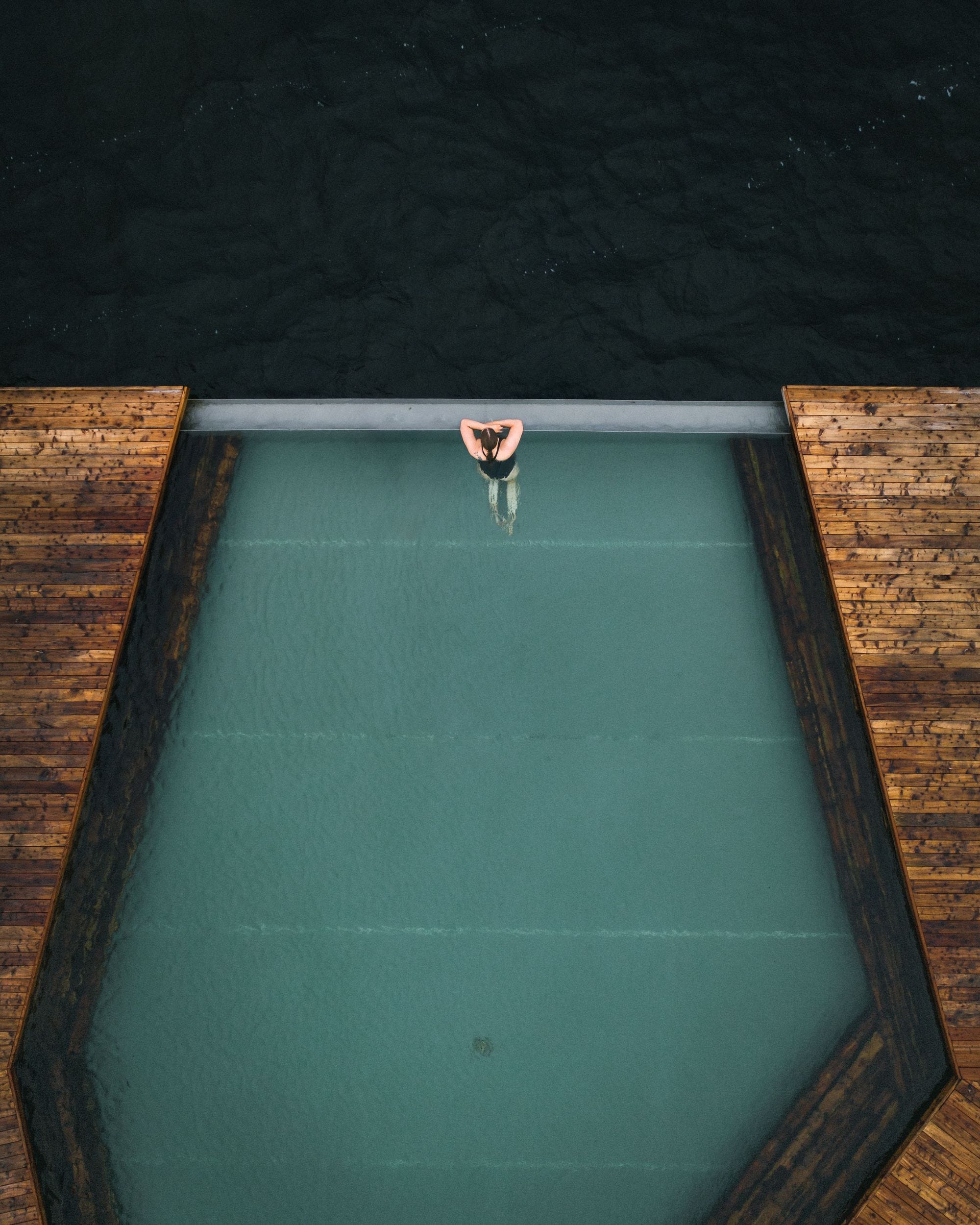
Across Iceland, geothermal lagoons combine nature, warmth, and atmosphere. Some are carefully designed wellness spaces, others feel closer to the raw landscape — but all are rooted in the same natural energy.
Notable bathing destinations include:
- Blue Lagoon – A world-famous geothermal spa with mineral-rich, milky-blue water
- Sky Lagoon – Ocean-facing lagoon near Reykjavík with a seven-step bathing ritual
- Krauma – Fed by Europe’s most powerful hot spring, Deildartunguhver
- Forest Lagoon (Skógarböðin) – Set among trees overlooking Eyjafjörður
- Fontana – Geothermal baths at Laugarvatn, with steam rising straight from the earth
- GeoSea – Sea baths in Húsavík overlooking Skjálfandi Bay
- Earth Lagoon Myvatn – Quiet, mineral-rich pools in North Iceland
- Vök Baths – Floating pools on Lake Urriðavatn in East Iceland
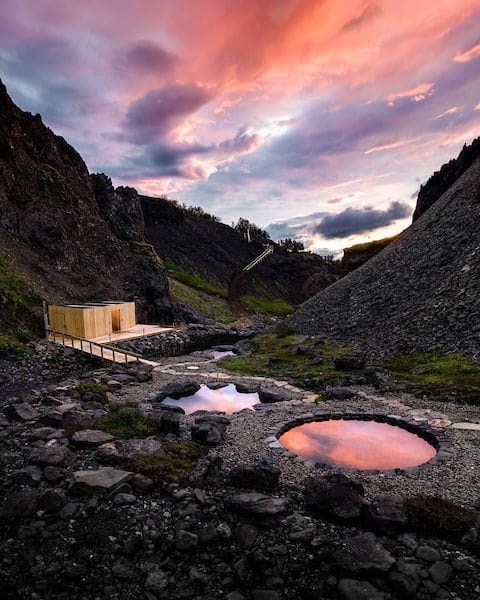
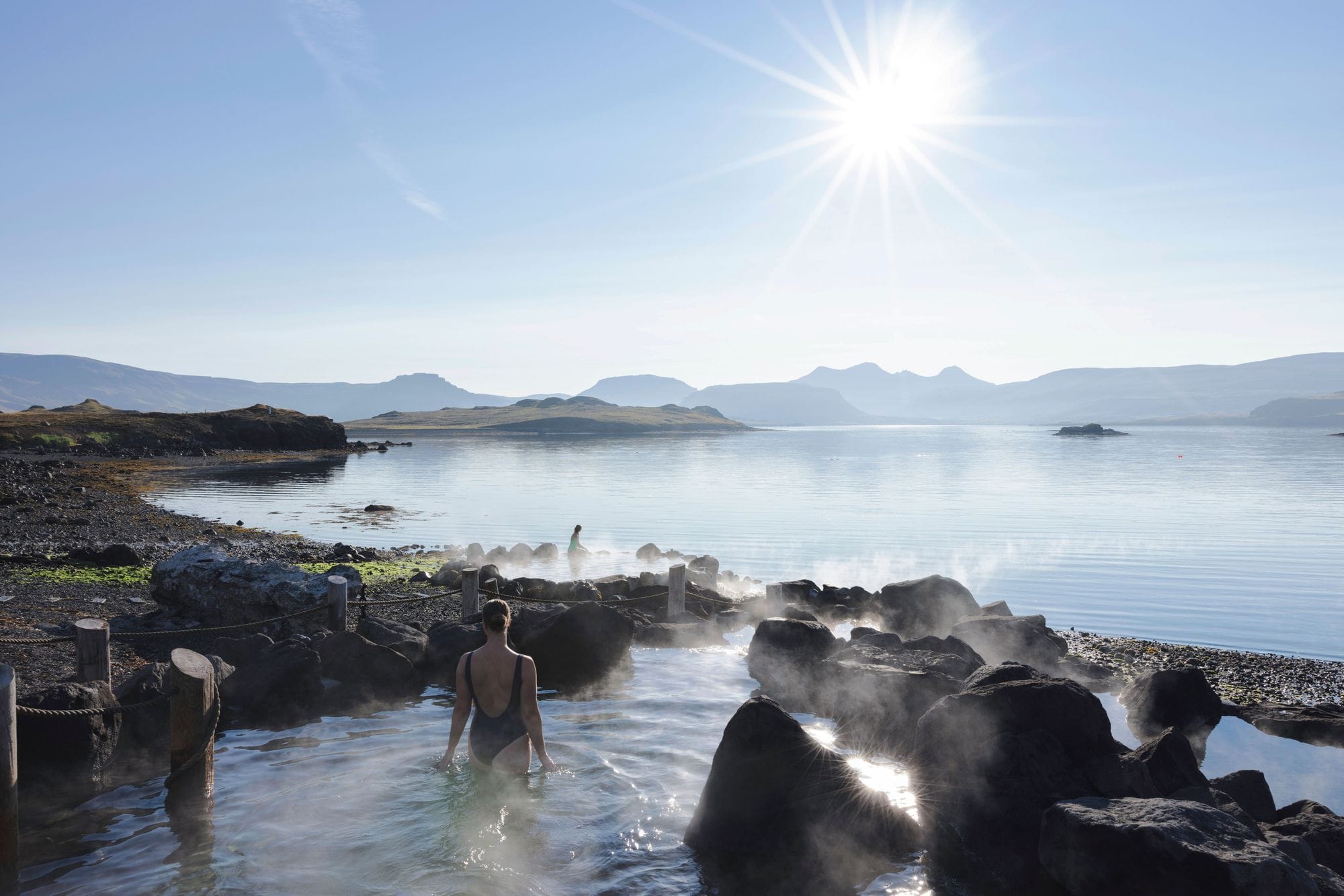
- Hvammsvík – Natural hot pools set into the tidal shoreline of Hvalfjörður
- Secret Lagoon (Gamla Laugin) – Iceland’s oldest swimming pool, built in 1891
Each offers a different way to slow down and experience Iceland’s elemental landscape.
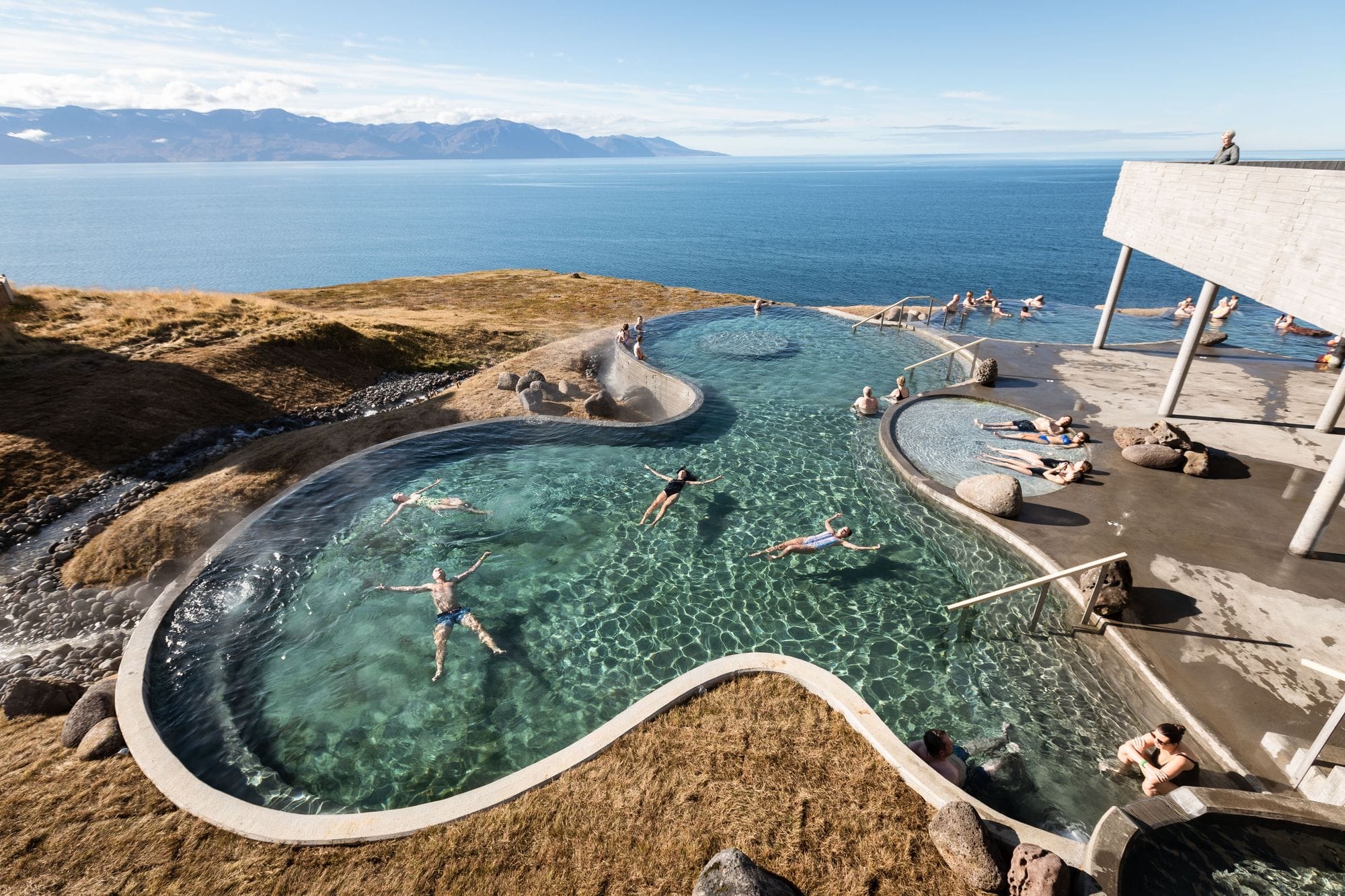
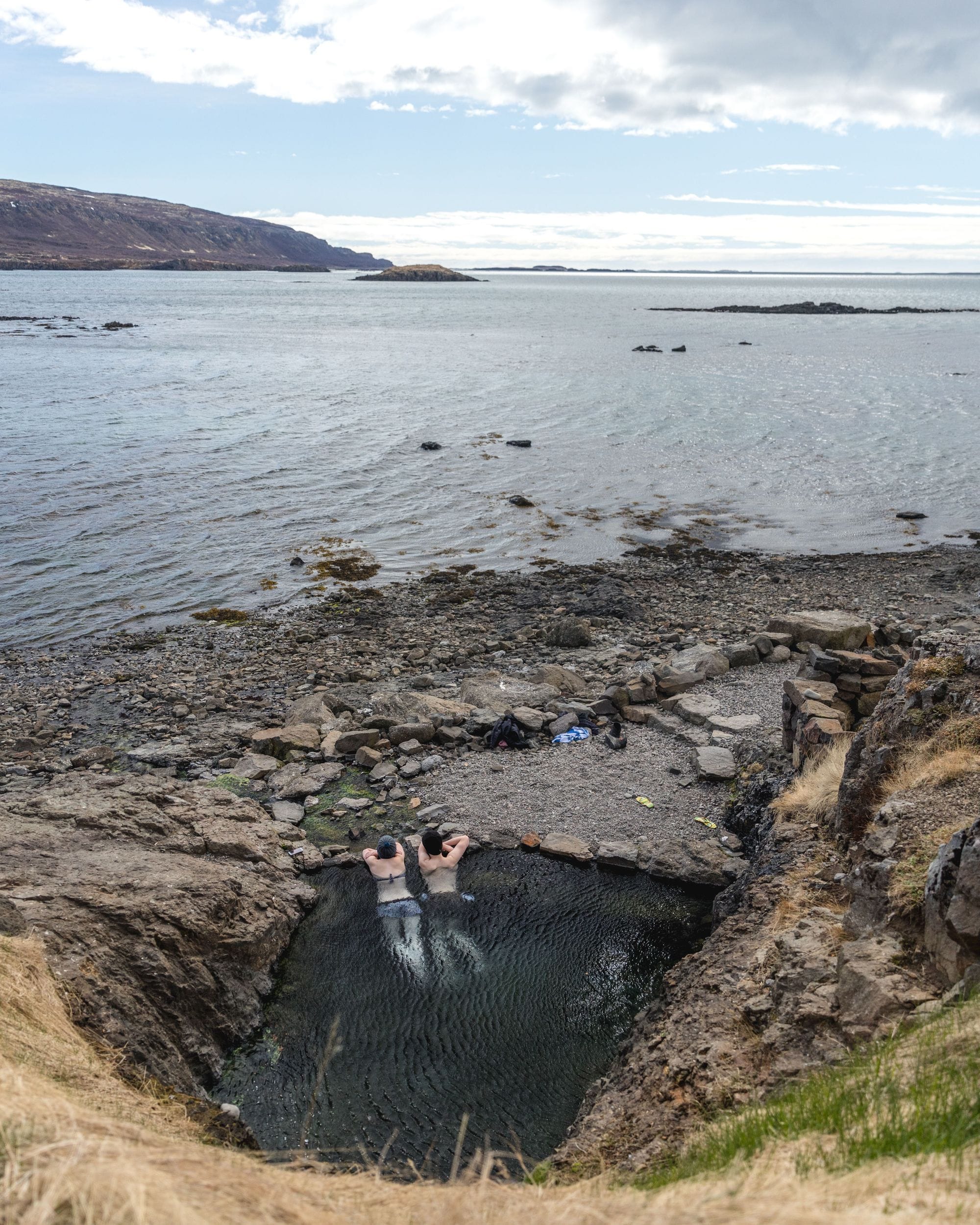
Natural Hot Springs Open to the Public
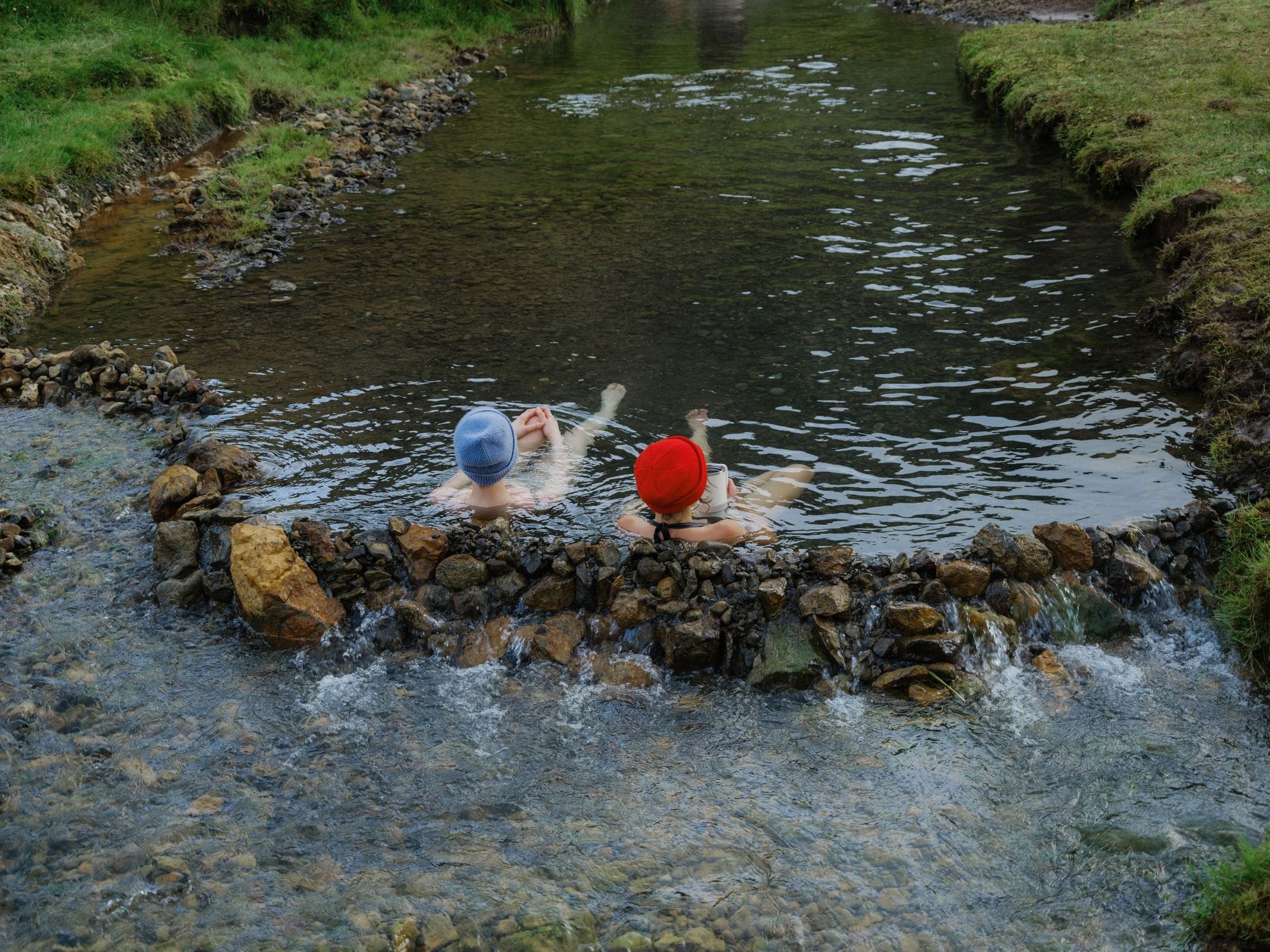
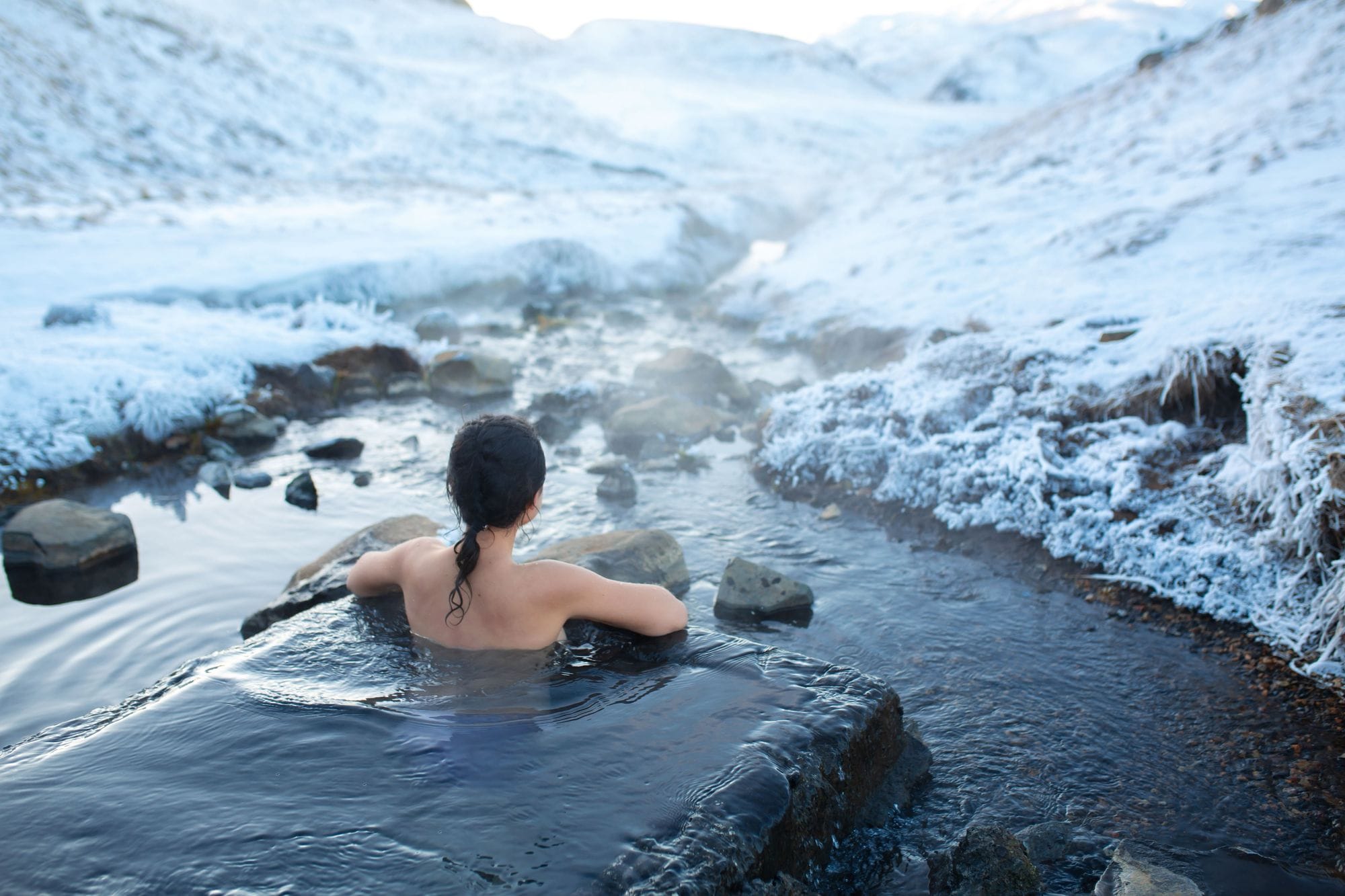
Beyond designed lagoons, Iceland is home to many natural hot springs where geothermal water meets wild scenery — often free or low-cost and deeply tied to the land.
Some well-known public options include:
- Reykjadalur Hot Spring River – A geothermal river reached by hiking through Steam Valley near Hveragerði
- Seljavallalaug – One of Iceland’s oldest outdoor pools, nestled between mountains and waterfalls
- Hrunalaug – A small, intimate hot spring near Flúðir with a quiet, natural atmosphere
- Hellulaug – A rustic seaside hot spring in the Westfjords with sweeping ocean views
- Landmannalaugar – A highland hot spring surrounded by colorful rhyolite mountains
- Grettislaug – A historic pool on the northern coast, tied to Icelandic sagas
- Drangsnes Hot Pots – Free seaside hot pots in the Westfjords, perfect for road trips
- Reykjafjarðarlaug & Hörgshlíðarlaug – Inland Westfjords pools with scenic fjord views
A Few Things to Know Before You Go
- Many natural springs have no facilities, so bring towels, flip-flops, and a dry bag
- Always respect landowners and nature — leave no trace
- Some springs are seasonal or difficult to access in winter, so check conditions before visiting
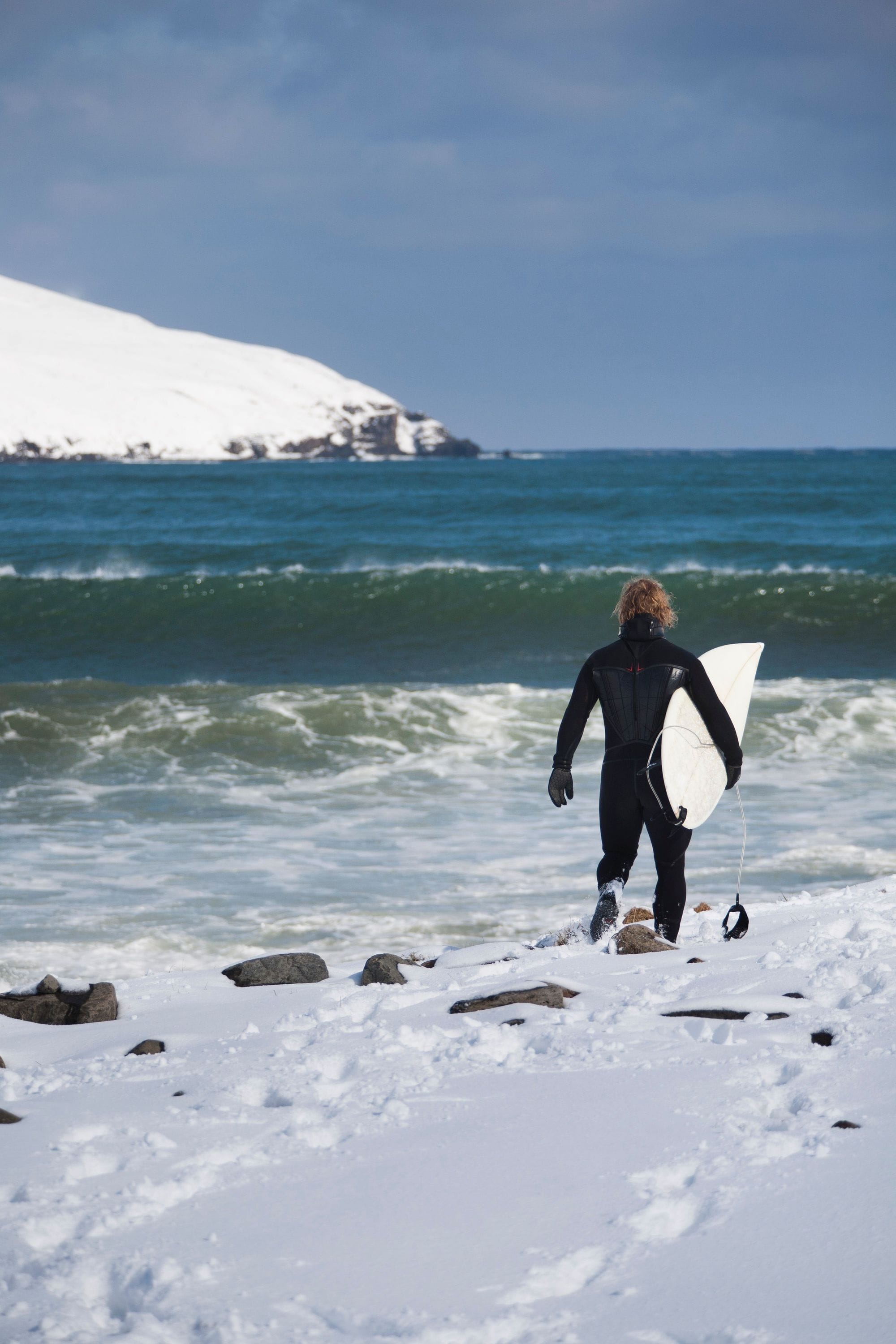
Sea Swimming in Reykjavík
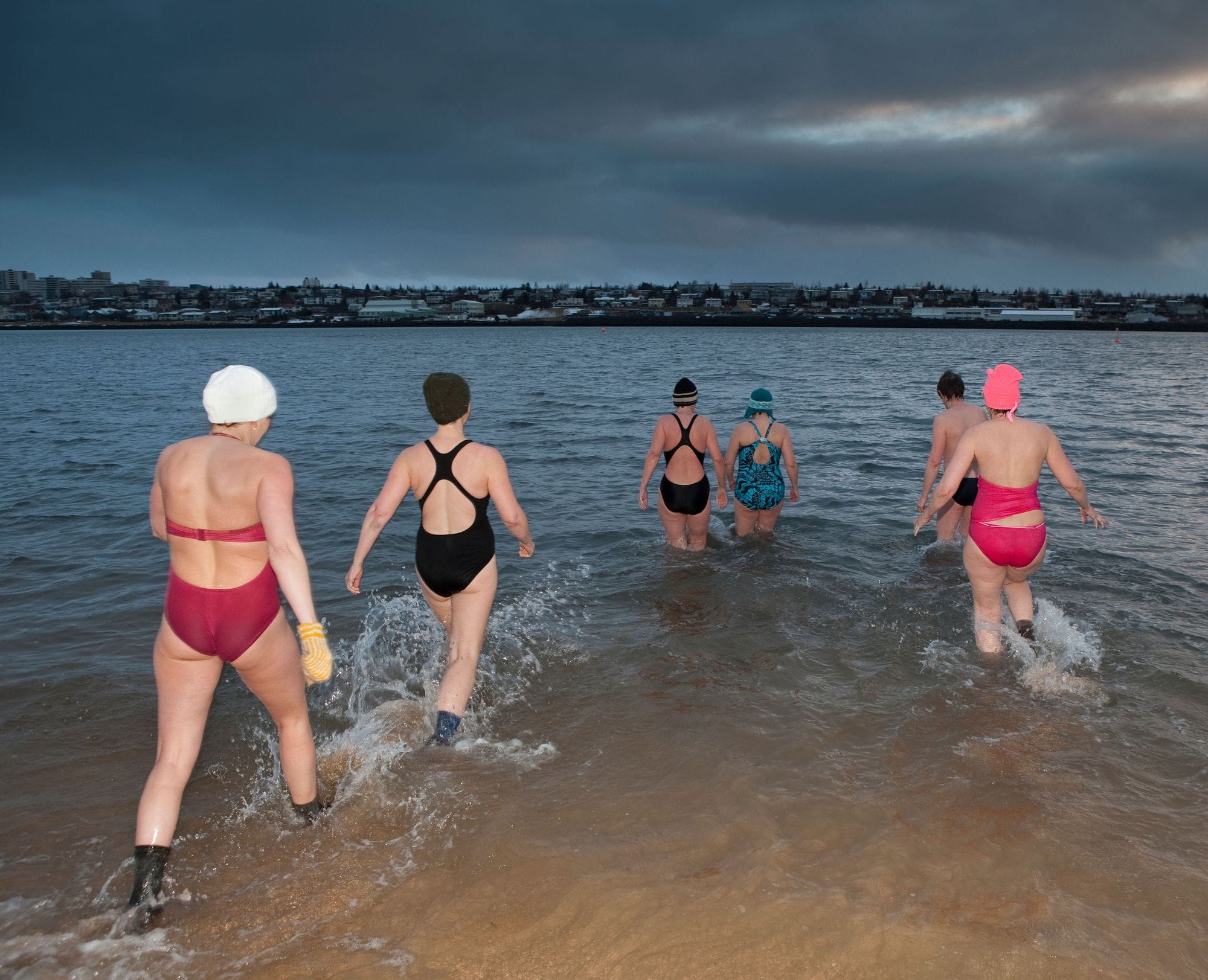
Bathing culture in Iceland also extends beyond warm water. Many Icelanders embrace sea swimming, even in winter.
Nauthólsvík Geothermal Beach
Just minutes from downtown Reykjavík, Nauthólsvík is the city’s most accessible sea-swimming spot. A sheltered cove is slightly warmed with geothermal water, making it popular year-round.
In colder months, swimmers often take a quick dip in the ocean before warming up in nearby hot tubs. It’s invigorating, challenging, and deeply Icelandic.
Sea swimming tips:
- Never swim alone
- Be aware of weather and sea conditions
- Warm up immediately afterward
- Start slowly — cold water immersion is intense
What to Pack for Bathing in Iceland
Preparation makes all the difference — especially in winter.
For Lagoons & Spas
- Swimsuit
- Towel (if not provided)
- Flip-flops or sandals
- Waterproof phone pouch
- Hair conditioner
- Insulated bathrobe
- Warm hat
For Public Swimming Pools
- Swimsuit
- Towel
- Flip-flops
- Toiletries (showering without a swimsuit is required)
For Natural Hot Springs & Sea Swimming
- Swimsuit
- Quick-dry towel
- Bathing shoes / water shoes
- Warm, weatherproof outer layer
- Insulated bathrobe or poncho
- Warm socks
- Headlamp (dark months)
- Dry bag or backpack
FAQ: Icelandic Water & the Sulfur Smell
Why does Icelandic hot water smell like sulfur?
Hot water is heated naturally by geothermal energy and picks up sulfur compounds as it travels through volcanic rock.
Is the sulfur smell harmful?
No. The water is completely safe and often beneficial for skin and hair.
Is Icelandic water safe to drink?
Yes — drink the cold water. It’s among the cleanest in the world. Hot water is safe but not meant for drinking.
How do I avoid sulfur smell in drinking water?
Run the cold tap for a few seconds before drinking.
Does the smell stay on your skin or hair?
No — it usually fades quickly.
Can sulfur affect jewelry?
Yes. A local tip: toothpaste works well to clean silver jewelry affected by sulfur — gently rub, rinse, and dry.
A Living Tradition
Whether you’re soaking in a lagoon, chatting with locals in a neighbourhood pool, plunging into the sea, or discovering a quiet hot spring, bathing in Iceland is about more than warmth.
It’s about slowing down.
Connecting with nature.
Sharing space with others.
And experiencing Iceland from the inside out.
This is how Icelanders relax.
And this is how we invite you to experience our island — one soak at a time.
Thank you for reading this page. We hope it was informative, If not please let us know through [email protected]